

Forward Future Tools Library
Databricks
Databricks combines data engineering, analytics, and AI workloads in a lakehouse platform for enterprise teams managing large, multi-source datasets and complex machine learning workflows.
Try Databricks →
databricks.com·Contact Sales
›What is Databricks?
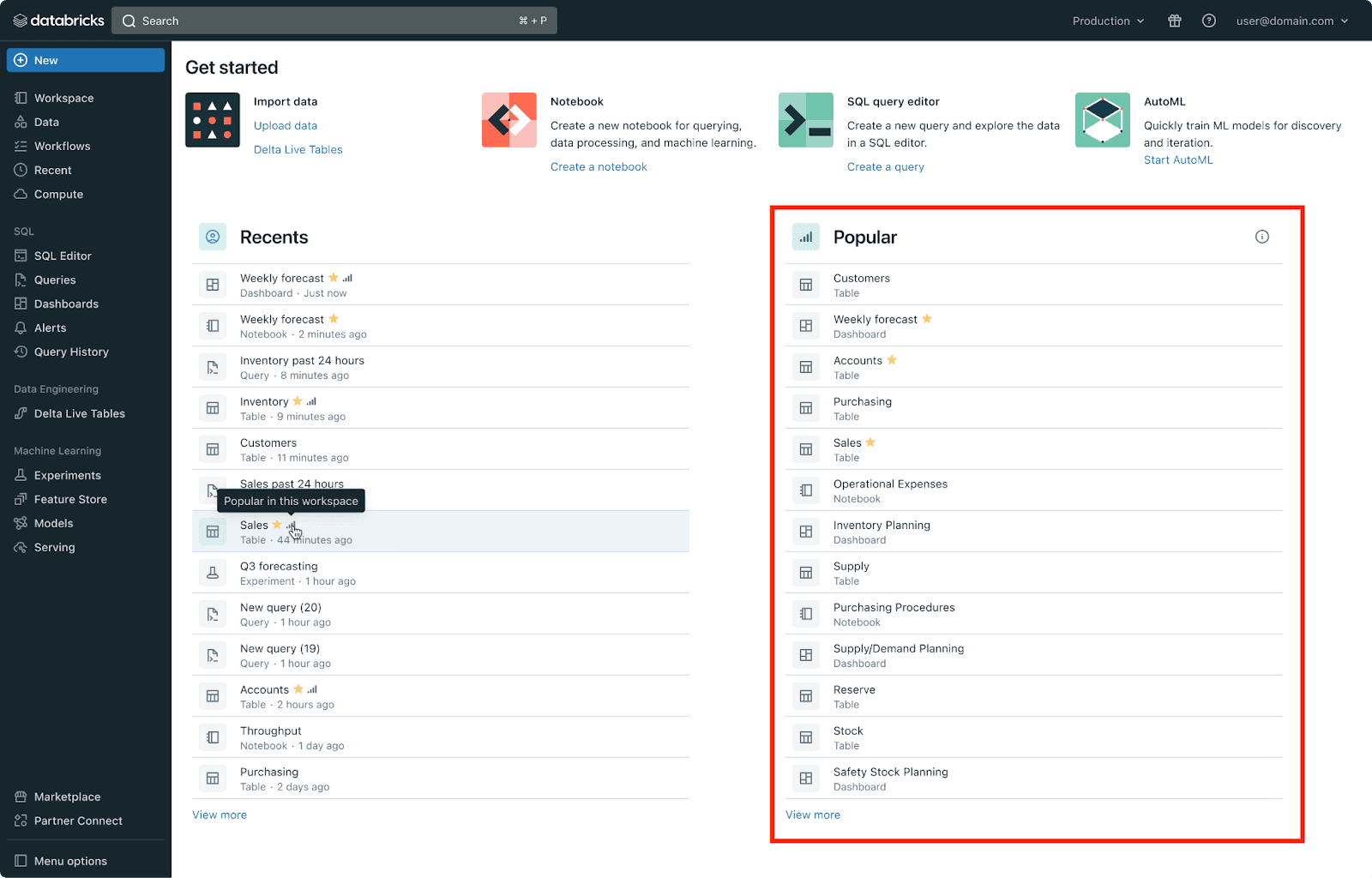
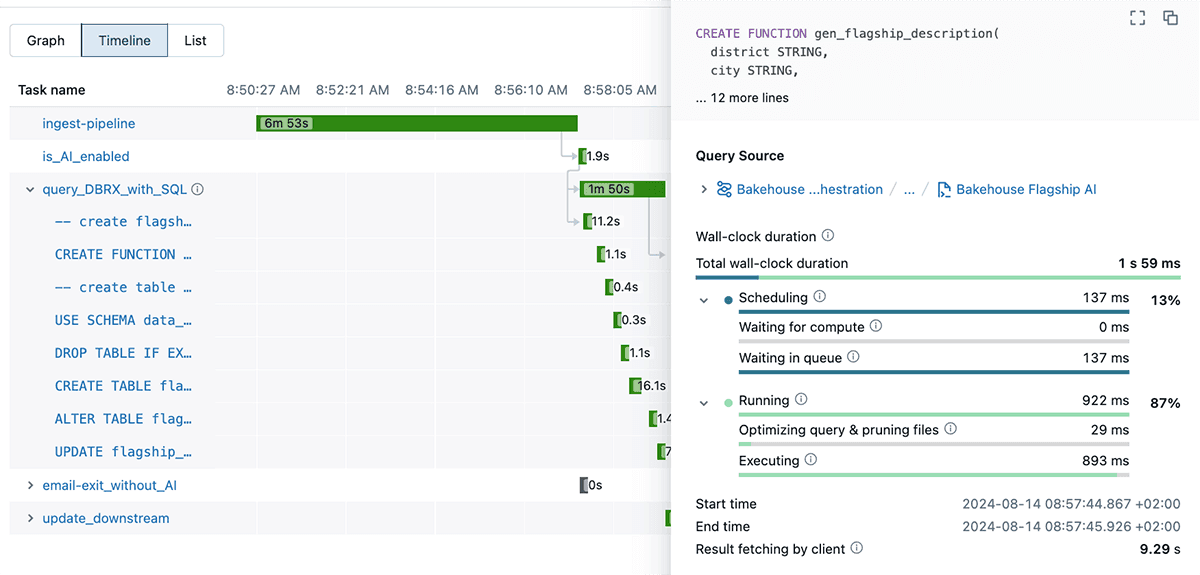
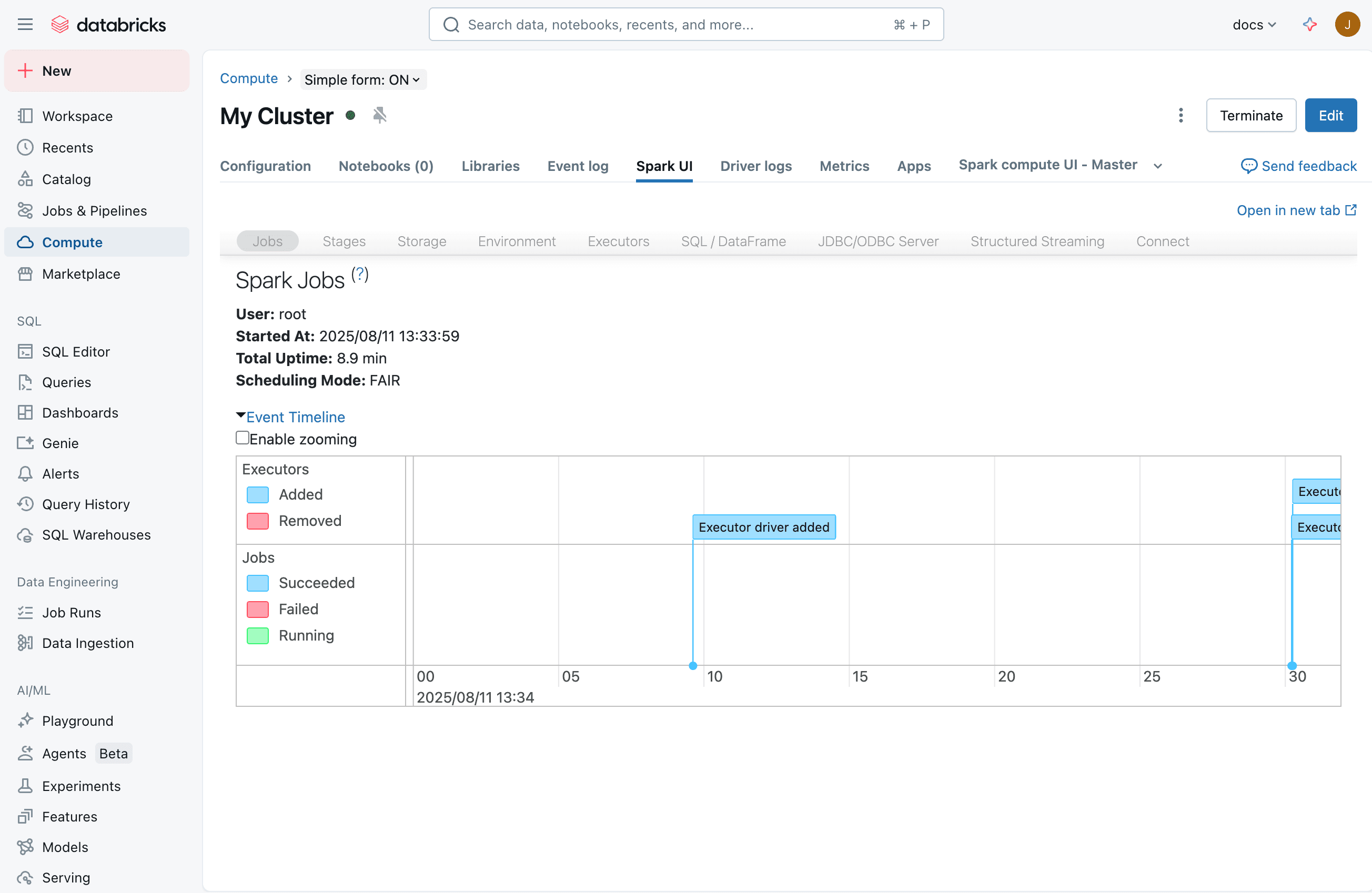
Databricks is a lakehouse platform for building and running data, analytics, and AI workloads. It combines data engineering, SQL analytics, machine learning, governance, data warehousing, and tools for developing apps and AI agents in one environment. The platform runs across preferred cloud providers and uses open lake data.
›What are the pros and cons of Databricks?
Strengths
Unifies data engineering, analytics, and machine learning in one lakehouse environment
Supports large-scale processing through Apache Spark
Provides shared collaboration tools for engineers, analysts, and data scientists
Adds governance capabilities including access controls and data lineage
Trade-offs
Pricing is complex because Databricks usage and underlying cloud infrastructure costs are separate
The platform has a significant learning curve
Operating a lakehouse requires substantial data engineering capacity
SQL-only teams may find it less simple to operate than a warehouse-focused platform
›What are Databricks’s key features?
Lakehouse architecture with Delta Lake support for ACID transactions, schema evolution, time travel, and upserts
Apache Spark-based data processing for large-scale engineering and analytics workloads
Collaborative workspace for data engineers, analysts, and data scientists
Unity Catalog governance with fine-grained access controls and data lineage
Serverless data warehousing on open lake data
Tools for building AI agents, applications, and natural-language data insights
›What are the best use cases for Databricks?
Preprocess and transform large, multi-source datasets for analytics
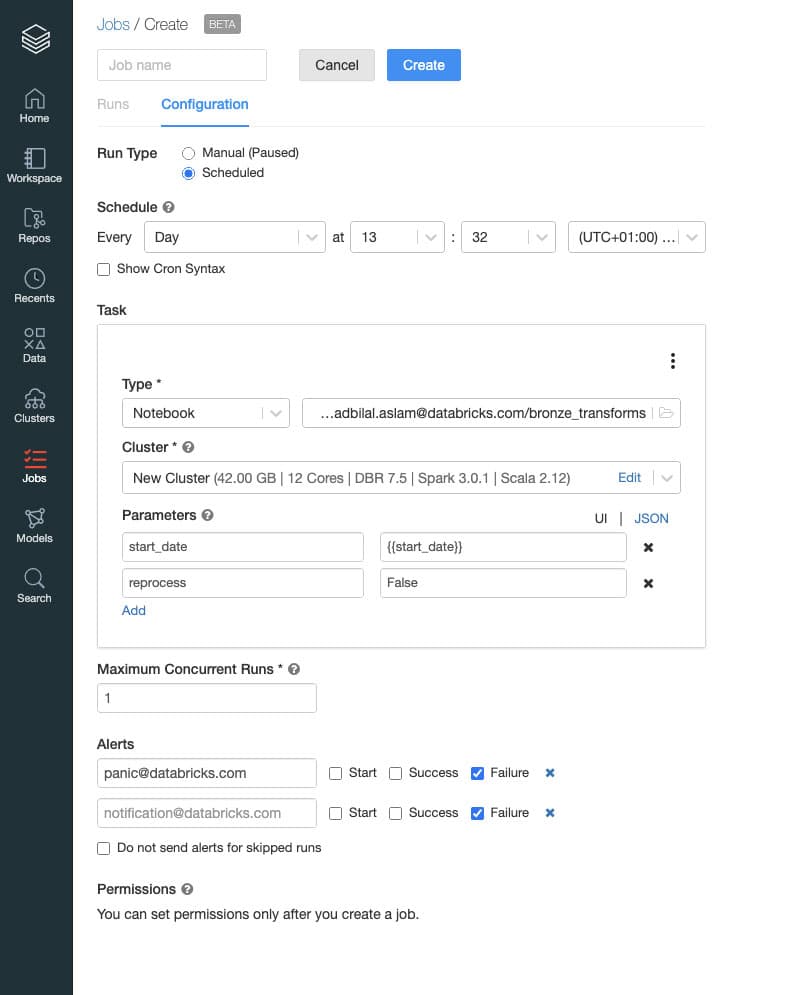
Build and manage complex machine learning training and deployment workflows
Create governed data pipelines and lakehouse tables with schema controls and time travel
Run SQL analytics, business intelligence, and reporting on open lake data
Develop data-aware AI agents and applications
›What is the pricing for Databricks?
Contact Sales
›Who is Databricks best for?
enterpriseEnterprise data teams can use Databricks to consolidate data engineering, analytics, governance, and AI workloads across clouds.
data engineersData engineers get Spark-based processing, Delta Lake features, and governed pipelines for large datasets.
data scientistsThe shared workspace and integrated machine learning workflows suit teams developing models alongside engineering and analytics groups.
Not for
- SQL-only BI teams that want a simpler warehouse-focused operating model
- Small teams without dedicated data engineering expertise
- Buyers who require fully predictable monthly billing
›What are the best Databricks alternatives?
 Weights & BiasesChoose this instead if the primary requirement is managing the machine learning development lifecycle rather than operating a broader lakehouse platform.→
 EnsoChoose this instead if engineers, analysts, or data scientists need a visual tool for processing and transforming data without adopting a full lakehouse platform.→
 Kayak.ai→
 Apex by Arya.ai→