Forward Future Tools Library
DeepKnit AI
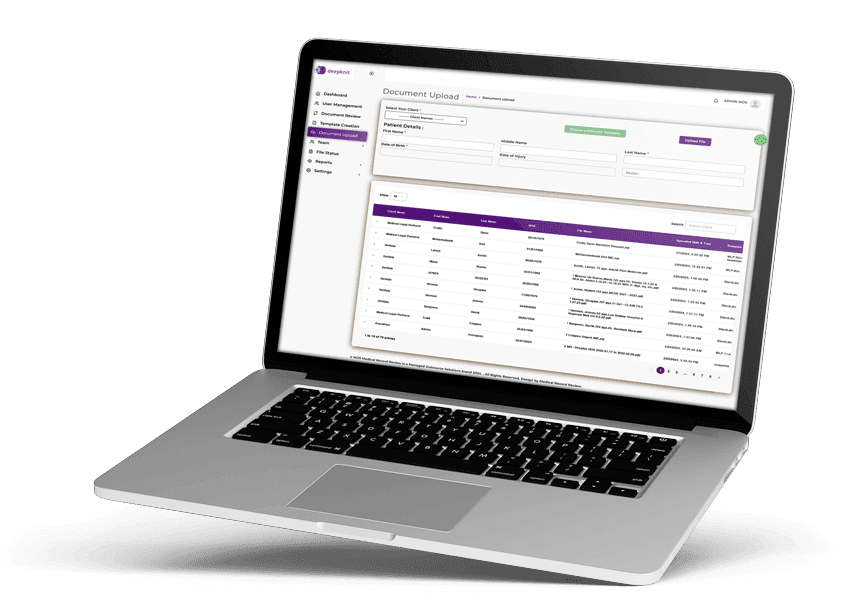
DeepKnit AI processes complex documents and orchestrates workflows across systems for healthcare organizations and other enterprises.
Try DeepKnit AI →
deepknit.ai·Paid

›What is DeepKnit AI?
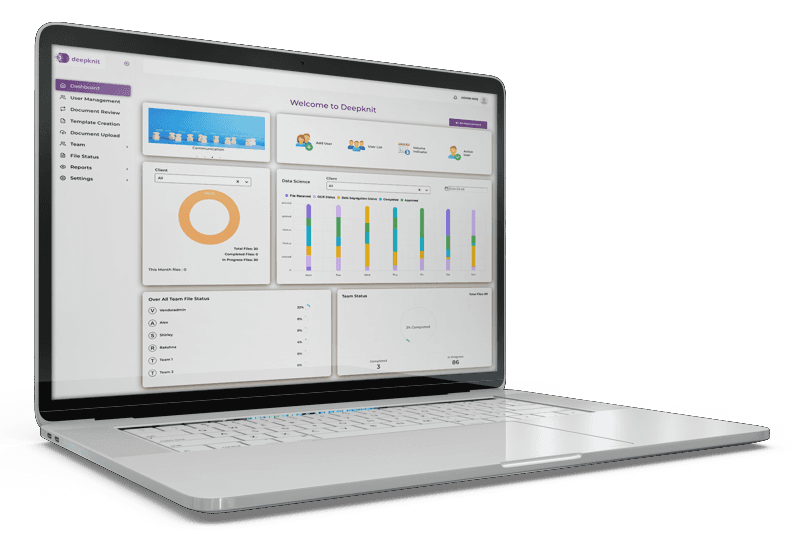
DeepKnit AI combines document understanding, data processing, large language models, and workflow orchestration. It extracts information from forms, PDFs, images, and handwritten records, then converts that information into structured outputs. The platform also connects workflows with enterprise systems through APIs and integrations.
›What are the pros and cons of DeepKnit AI?
Strengths
Handles both structured and unstructured documents, including PDFs, forms, images, and handwritten records
Combines OCR, ICR, NLP, and cross-document analysis in one platform
Can produce outputs in custom templates that match existing formats
Supports integrations with healthcare systems, CRMs, ERPs, databases, APIs, and on-premise environments
Trade-offs
Deployments involving workflow orchestration, APIs, and multiple enterprise systems can require substantial implementation work
Custom AI models and agents are tailored to specific workflows, making the platform less suited to simple, single-purpose document tasks
›What are DeepKnit AI’s key features?
Extracts, classifies, and interprets structured and unstructured documents
Processes scanned and handwritten data with OCR, ICR, and NLP
Links information across documents to identify timelines and relationships
Automates multi-step workflows across connected systems
Creates custom templates for structured output
Supports custom AI models, agents, APIs, and data orchestration
›What are the best use cases for DeepKnit AI?
Review medical records and connect information across related documents
Process invoices and extract data from document-heavy workflows
Verify insurance information using automated document processing
Generate structured reports and summaries from complex datasets
›What is the pricing for DeepKnit AI?
Paid
›Who is DeepKnit AI best for?
enterpriseA strong fit for organizations automating document-heavy operations across multiple systems.
healthcare professionalsMedical record review, insurance verification, and related healthcare document workflows are central use cases.
small teamSmall teams with document-intensive processes may benefit when they can support custom workflow implementation.
Not for
- Teams looking only for a basic standalone document summarizer instead of multi-step workflow automation
- Organizations without the need to connect document processing to existing enterprise systems
›What are the best DeepKnit AI alternatives?
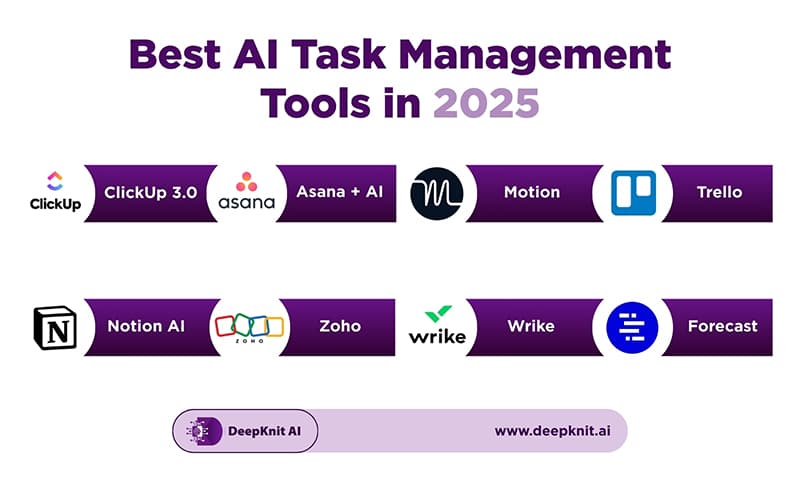
 FlowithChoose this instead if your main requirement is general business workflow automation rather than document processing and healthcare workflows.→
 CrewAIChoose this instead if you want a platform for building multi-agent applications rather than a document-focused automation system.→
 HireEva→
 Omnia→