

Forward Future Tools Library

Amazon Web Services (AWS)
AWS provides cloud infrastructure, including compute, storage, databases, AI services, and developer tools, for developers, data scientists, and organizations running workloads at scale.
Try Amazon Web Services (AWS) →
aws.amazon.com·Contact Sales
›What is Amazon Web Services (AWS)?
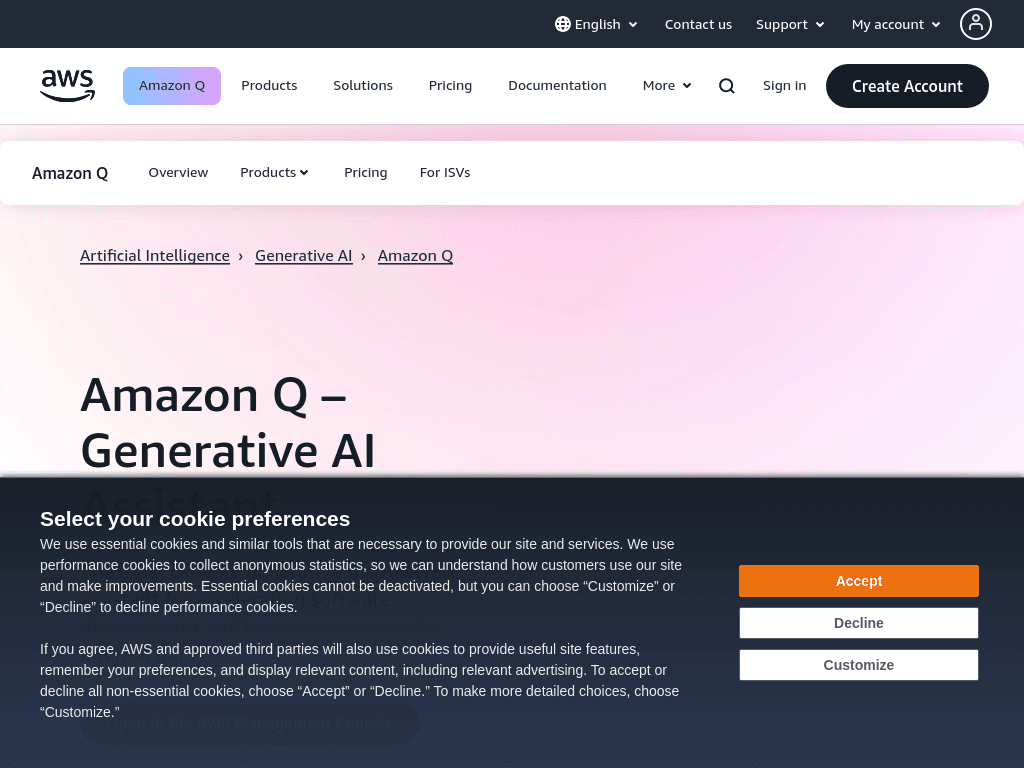
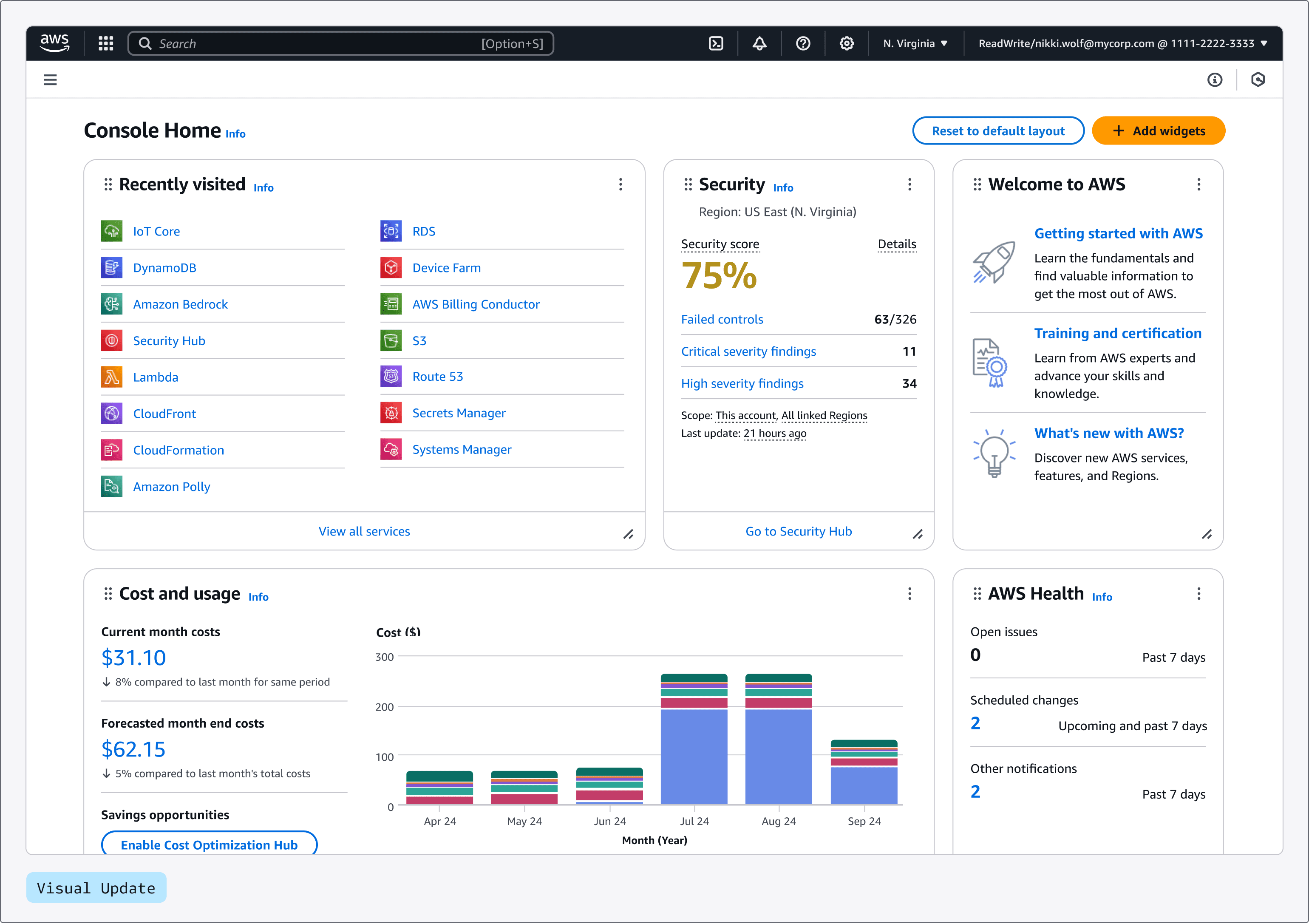
AWS is a cloud infrastructure platform with services for compute, storage, databases, analytics, networking, security, and artificial intelligence. Its core services include EC2, S3, RDS, Lambda, and SQS, with support for Windows and Linux server workloads. Teams can also use AWS services to build generative AI applications and agents.
›What are the pros and cons of Amazon Web Services (AWS)?
Strengths
Broad selection of cloud infrastructure and AI services
Supports both Windows and Linux server environments
Extensive security capabilities and third-party integrations
Large ecosystem of tooling, Terraform modules, and experienced candidates
Server management and monitoring features are available across the platform
Trade-offs
The large service catalog makes pricing difficult to determine
IAM has a learning curve and can lead to privilege-escalation misconfigurations
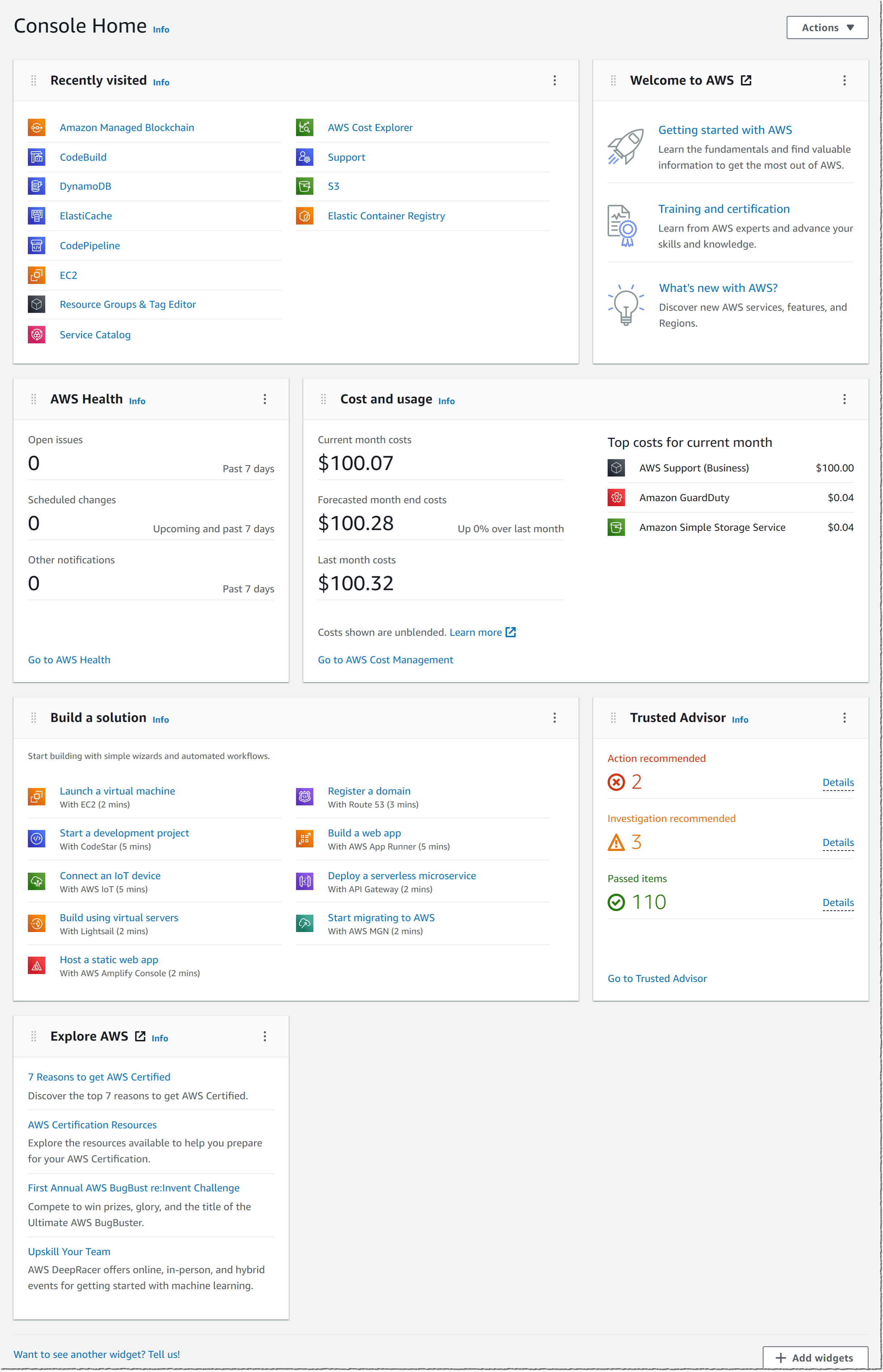
The console can be difficult for new users to navigate
Support plans can be expensive, especially for enterprise service-level agreements
Reserved Instances and Savings Plans require one- to three-year commitments
›What are Amazon Web Services (AWS)’s key features?
EC2 compute instances for Windows and Linux server workloads
S3 object storage for data, archives, and AI workloads
RDS managed relational databases
Lambda serverless application execution
AI application development through Amazon Bedrock
Identity, security, and compliance services
Global cloud infrastructure across multiple geographic regions
›What are the best use cases for Amazon Web Services (AWS)?
Run web applications and other server workloads on EC2
Store application data, archives, and analytics data in S3
Build event-driven applications with Lambda and SQS
Deploy relational databases with RDS
Develop generative AI applications and agents with Amazon Bedrock
›What is the pricing for Amazon Web Services (AWS)?
Contact Sales
›Who is Amazon Web Services (AWS) best for?
developersA strong fit for developers who need access to compute, storage, databases, serverless services, and AI development tools.
data scientistsUseful for data scientists building analytics and machine learning workloads on cloud infrastructure.
enterpriseEnterprise organizations can use its broad service catalog, security capabilities, global infrastructure, and support options.
small teamSmall teams can use AWS, but the service range, console, and pricing model may require dedicated cloud expertise.
Not for
- Teams that need simple, predictable pricing without managing usage-based service costs
- Small organizations without the time or expertise to learn AWS services, IAM, and account management
- Buyers seeking a single-purpose AI tool rather than a broad cloud infrastructure platform