

Forward Future Tools Library

Consensus
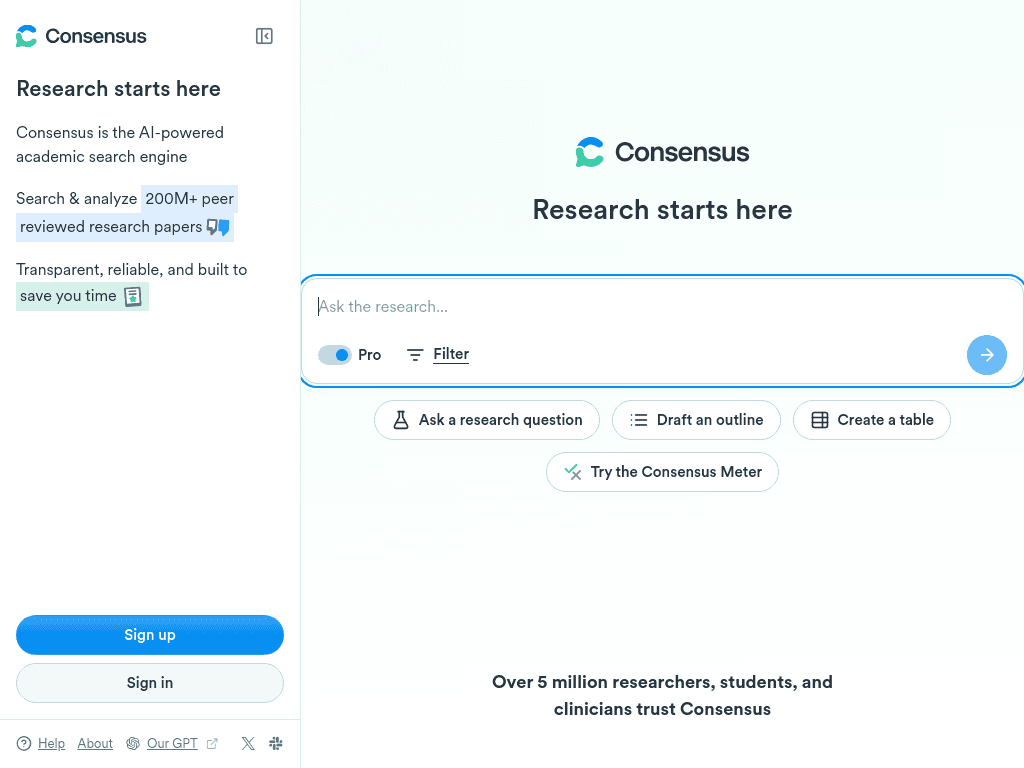
Consensus searches peer-reviewed literature, synthesizes evidence, and shows agreement on research questions for students, researchers, clinicians, and academic teams.
Try Consensus →
consensus.app·Free + paid plans·Checked 2026-08-16
›What is Consensus?
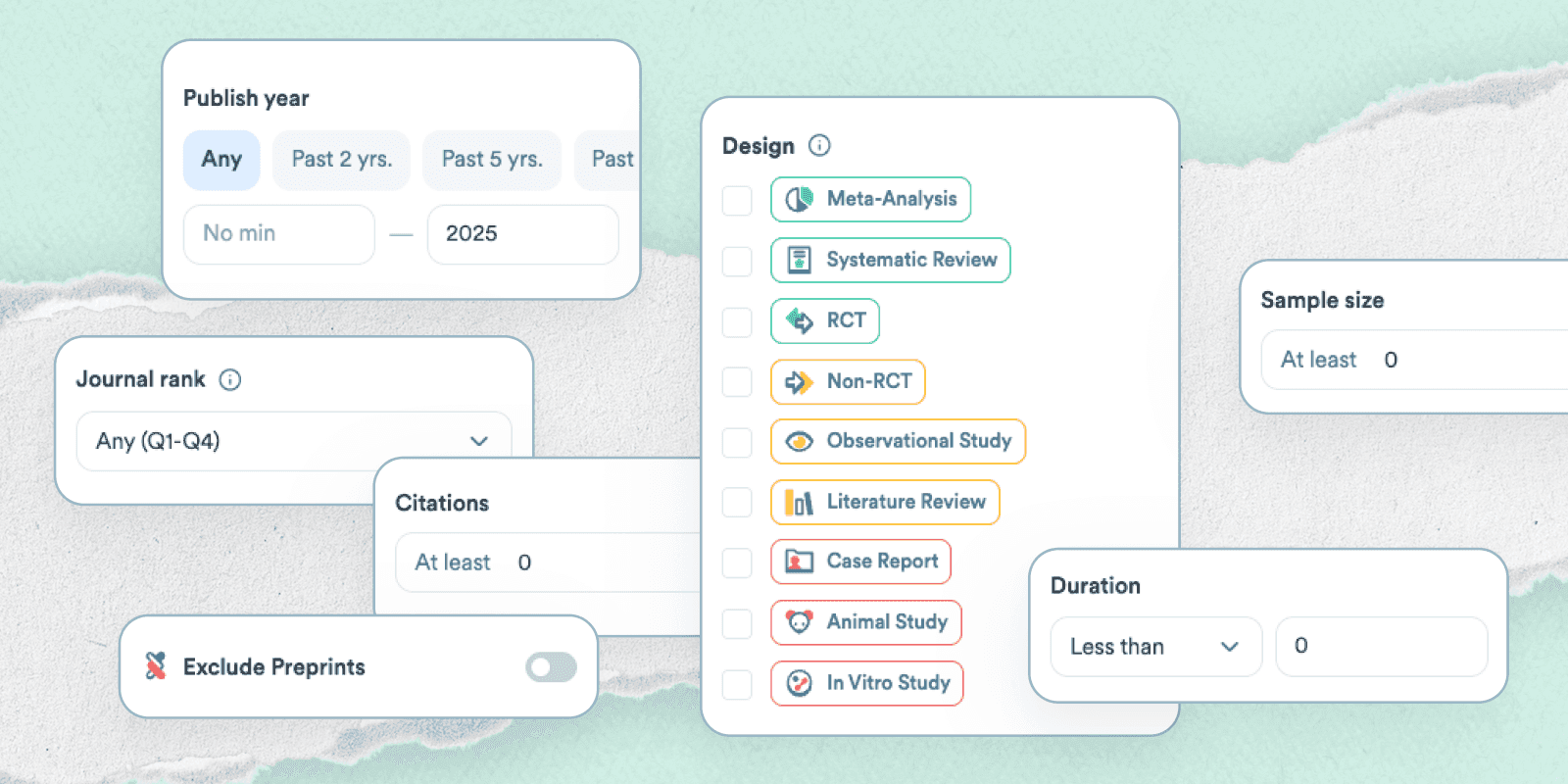
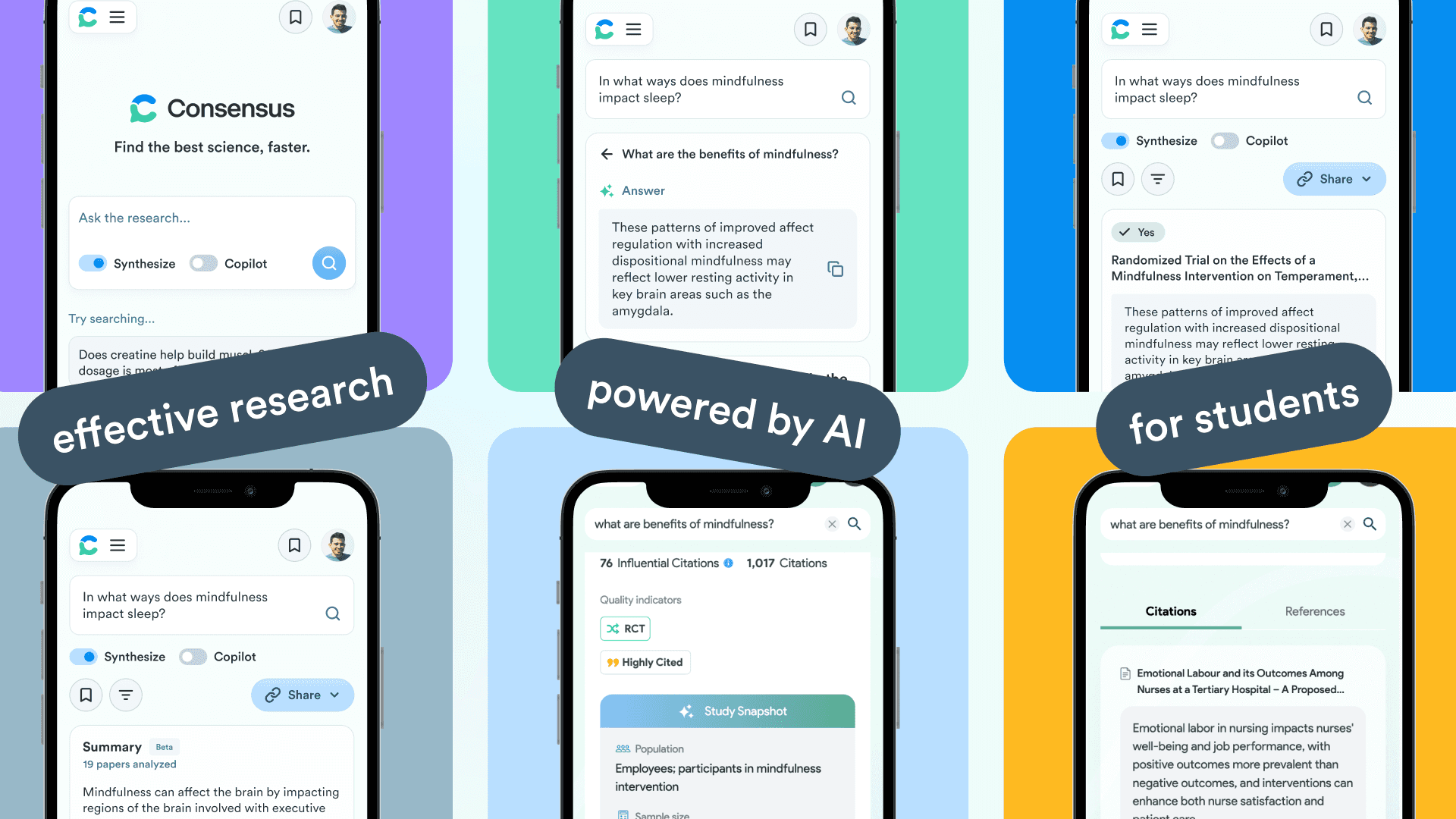
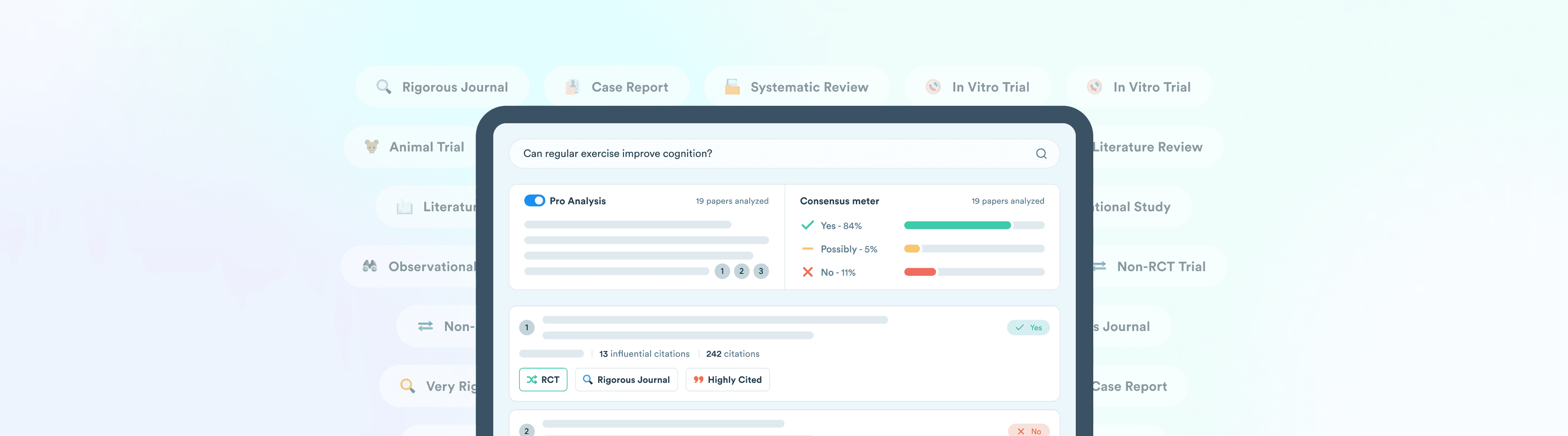
Consensus is an AI research tool for searching and analyzing peer-reviewed literature. It searches a corpus of more than 250 million papers, applies filters for populations, study designs, and timeframes, and generates citation-backed answers. Deep Search builds a literature review strategy, while Consensus Meter visualizes agreement and disagreement across studies.
›What are the pros and cons of Consensus?
Strengths
Large peer-reviewed literature corpus with more than 250 million papers
Deep Search can expand terms and follow citation relationships for literature reviews
Natural-language filters help narrow searches by study design, population, and timeframe
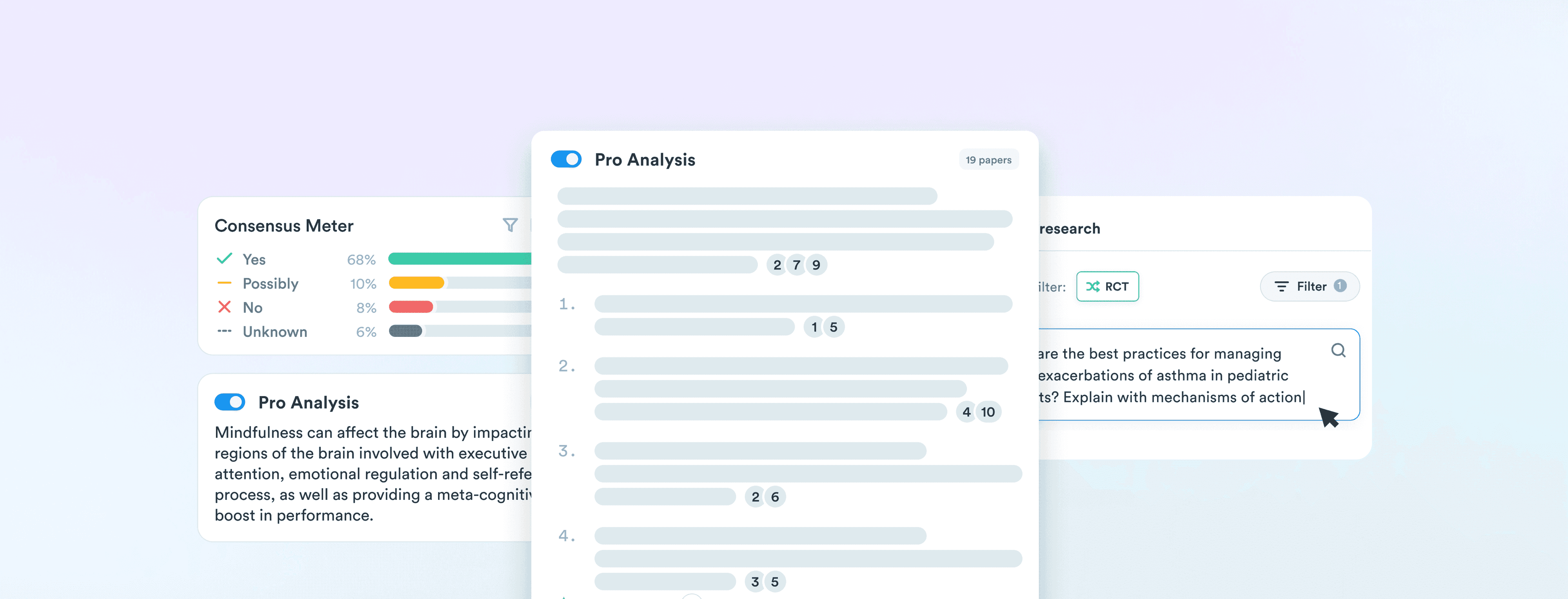
Consensus Meter gives a quick visual summary for binary research questions
Medical mode focuses searches on clinical guidelines and medical journals
Trade-offs
Consensus Meter can oversimplify complex or mixed research findings
The tool works best for questions framed around whether one factor causes or affects another
The free tier limits Pro messages, Deep reviews, and Study Snapshots
A review found its paper database smaller than Semantic Scholar's
›What are Consensus’s key features?
Searches more than 250 million research papers, including licensed full-text content
Deep Search expands search terms, explores citation graphs, and identifies conflicting arguments
Natural-language filters for timeframes, populations, study designs, and evidence types
Consensus Meter shows how much evidence agrees or disagrees with a yes-or-no research question
Medical mode searches clinical guidelines and articles from leading medical journals
›What are the best use cases for Consensus?
Answering scientific questions with cited evidence
Building a literature review search strategy
Comparing evidence from randomized and observational studies
Finding research gaps and promising research questions
Reviewing clinical evidence on treatments, outcomes, and definitions
›What is the pricing for Consensus?
| Plan | Price | Details |
|---|---|---|
| Free Tier | $0 | Unlimited Papers searches, 15 Pro messages per month, 3 Deep reviews per month, and 10 Study Snapshots per month |
| Pro Subscription | $20/month or $144/year (billed annually, equivalent to $12/month) | Unlimited Papers searches and Pro messages, 15 Deep reviews per month, and unlimited Study Snapshots |
| Deep Plan | $65/month or $540/year (billed annually, equivalent to $45/month) | Everything in Pro plus 200 Deep Searches per month |
Annual billing is available for Pro and Deep at the equivalent monthly rates shown.
Checked 2026-08-16 · source
›Who is Consensus best for?
researchersDeep Search, citation exploration, and natural-language filters support frequent literature reviews.
studentsThe free tier provides a way to search papers and test evidence-focused answers before subscribing.
cliniciansMedical mode narrows searches to clinical guidelines and articles from leading medical journals.
small teamTeams working on evidence reviews can use shared access to a large academic corpus, subject to plan limits.
Not for
- People seeking broad live-web research rather than answers grounded primarily in peer-reviewed literature
- Users who need nuanced synthesis beyond binary agreement or disagreement questions
- Researchers who require the largest possible paper database, since one review found Semantic Scholar's database larger