

Forward Future Tools Library

PromptLayer
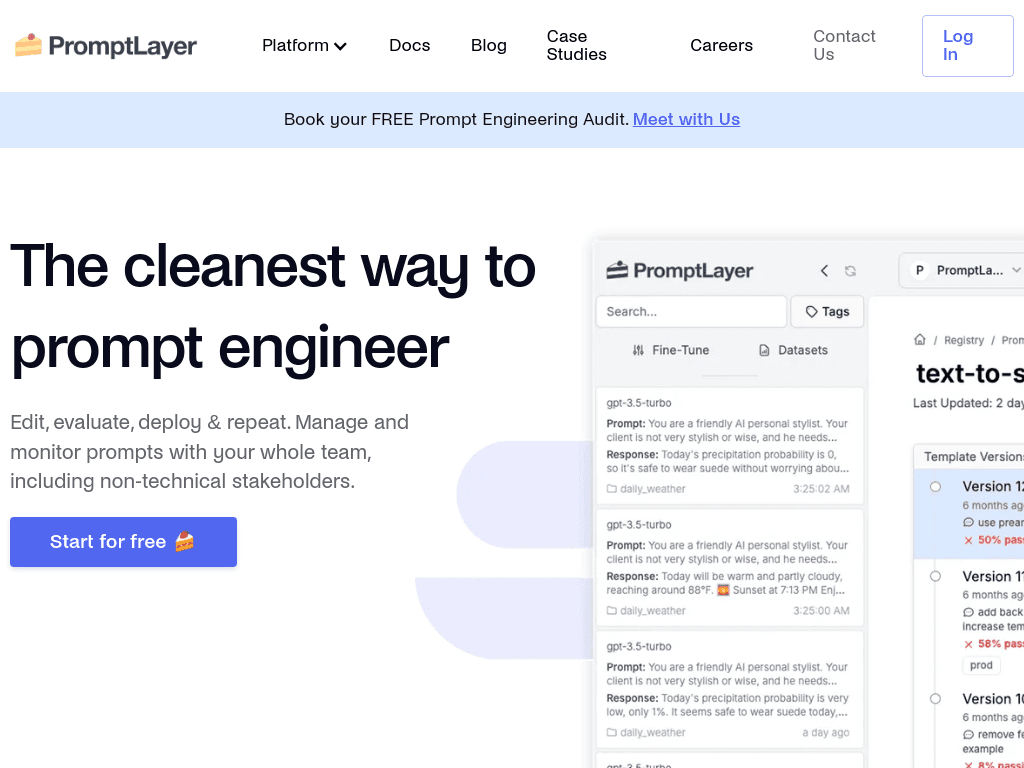
PromptLayer manages prompt versions, evaluations, and production traces for AI engineering teams that need domain experts to iterate without application redeploys.
promptlayer.com·Free + paid plans·Checked 2026-08-20
›What is PromptLayer?
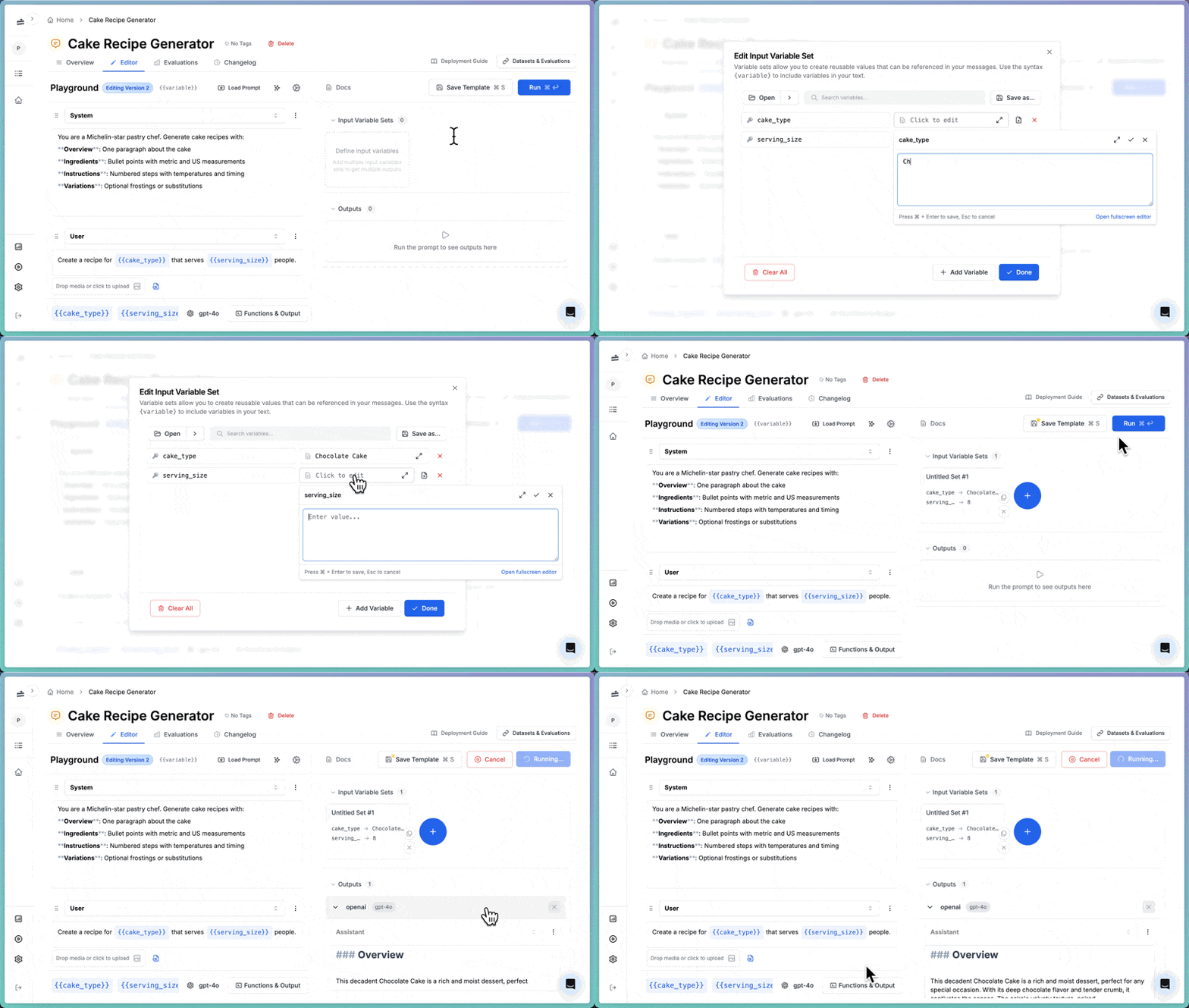
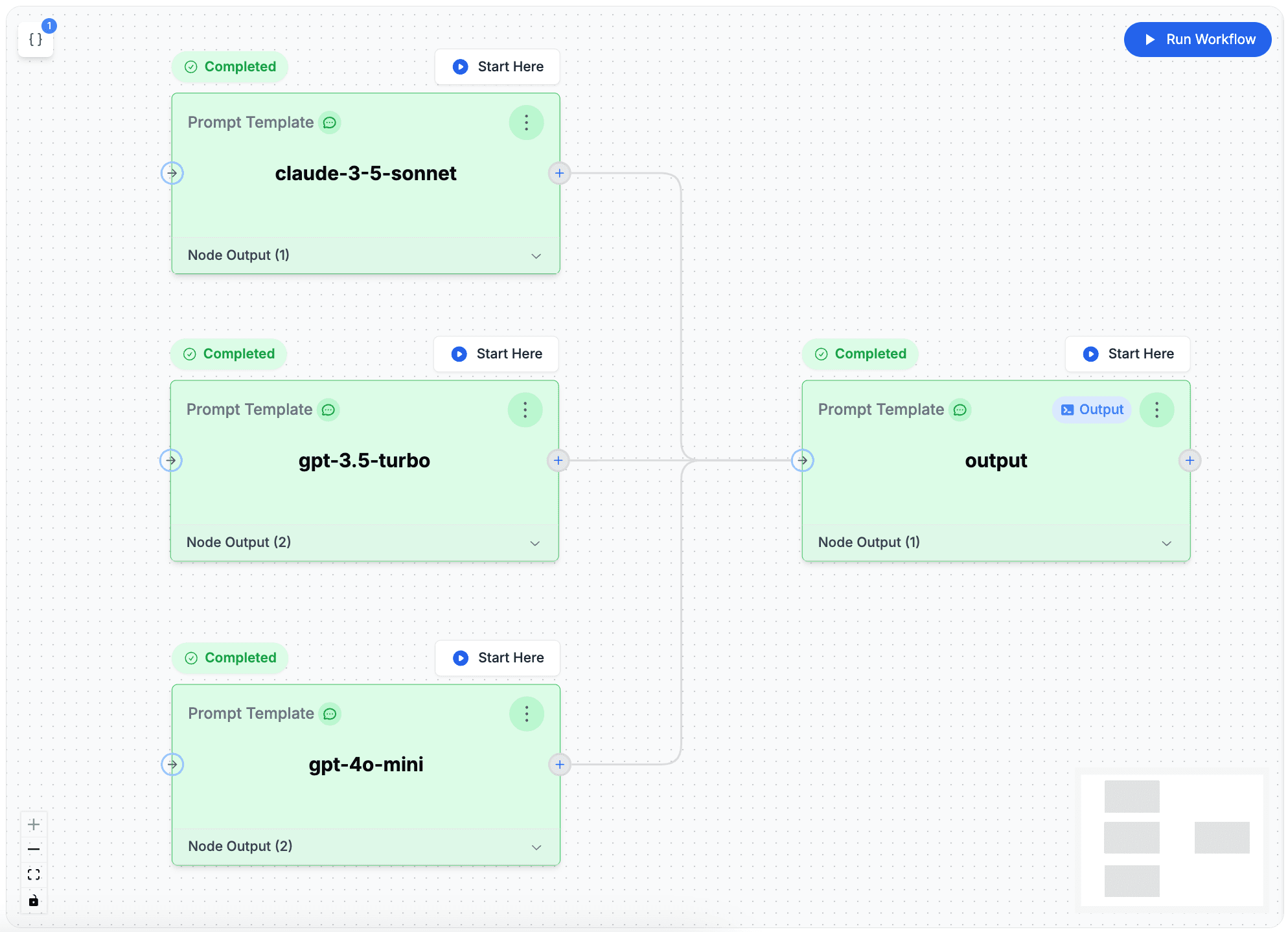
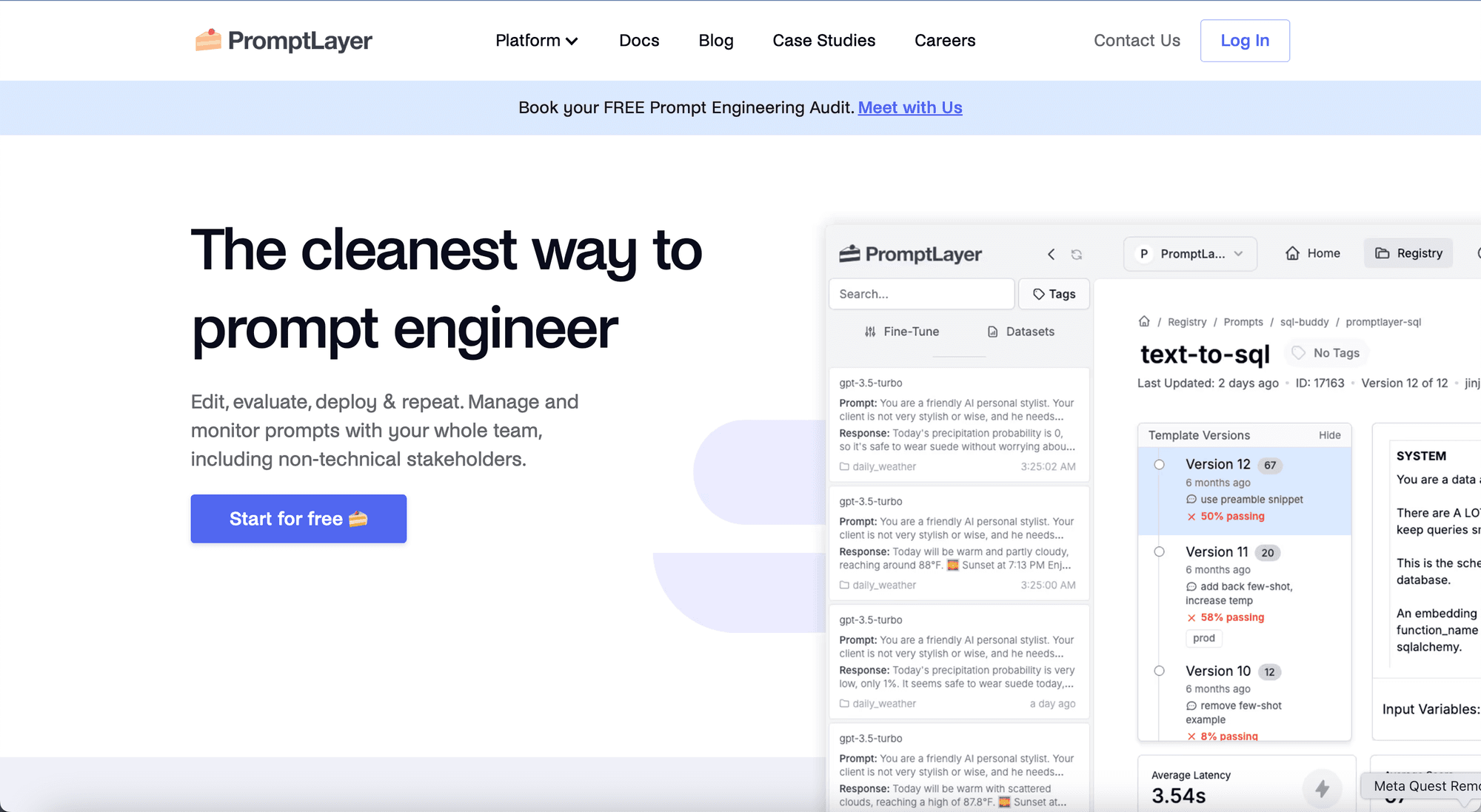
PromptLayer is a prompt management, evaluation, and observability platform for applications built with large language models. Teams can edit, version, test, deploy, and roll back prompts from a dashboard, while tracking production requests, costs, latency, and token usage. It also supports dataset-backed evaluations, human review, automated graders, and historical backtests.
›What are the pros and cons of PromptLayer?
Strengths
Trade-offs
›What are PromptLayer’s key features?
›What are the best use cases for PromptLayer?
›What is the pricing for PromptLayer?
| Plan | Price | Details |
|---|---|---|
| Free | $0/month | 5 users, 2.5k requests per month, 1 workspace, 250 eval cell executions per month, and 10MB maximum per dataset |
| Pro | $49/month | Free plan limits plus unlimited playgrounds, unlimited workspaces, and 150MB maximum per dataset |
| Team | $500/month | 25 users, 100k+ requests per month, 7.5k+ eval cell executions per month, and 1GB maximum per dataset |
| Enterprise | Custom | Custom limits, role-based access controls, deployment approvals, HIPAA with BAA, flexible hosting options, dedicated support, and data retention control |
Pro overage is $0.003 per txn and Team overage is $0.002 per txn. Free, Pro, and Team use SaaS hosting, while Enterprise offers self-hosted, EU-hosted, or single-tenant options.
Checked 2026-08-20 · source
›Who is PromptLayer best for?
- Solo developers who are comfortable keeping prompts directly in application code may find the platform unnecessary.
- Teams looking for casual, one-off prompt generation rather than deployment, evaluation, and observability workflows should skip it.
- Buyers requiring self-hosting on the Free, Pro, or Team plans should look elsewhere, since those plans are cloud-hosted in the US.
›What are the best PromptLayer alternatives?
 OllamaChoose this instead if running models locally is more important than centralized prompt management and production observability.→
 LM StudioChoose this instead if you need a local toolkit for downloading and running large language models rather than a hosted prompt operations platform.→
 Waver→
 Replit→