Forward Future Tools Library

Typeface
Typeface coordinates brand-grounded content creation, approvals, publishing, and custom AI agents for enterprise marketing, creative, and IT teams.
Try Typeface →
typeface.ai·Contact Sales
›What is Typeface?
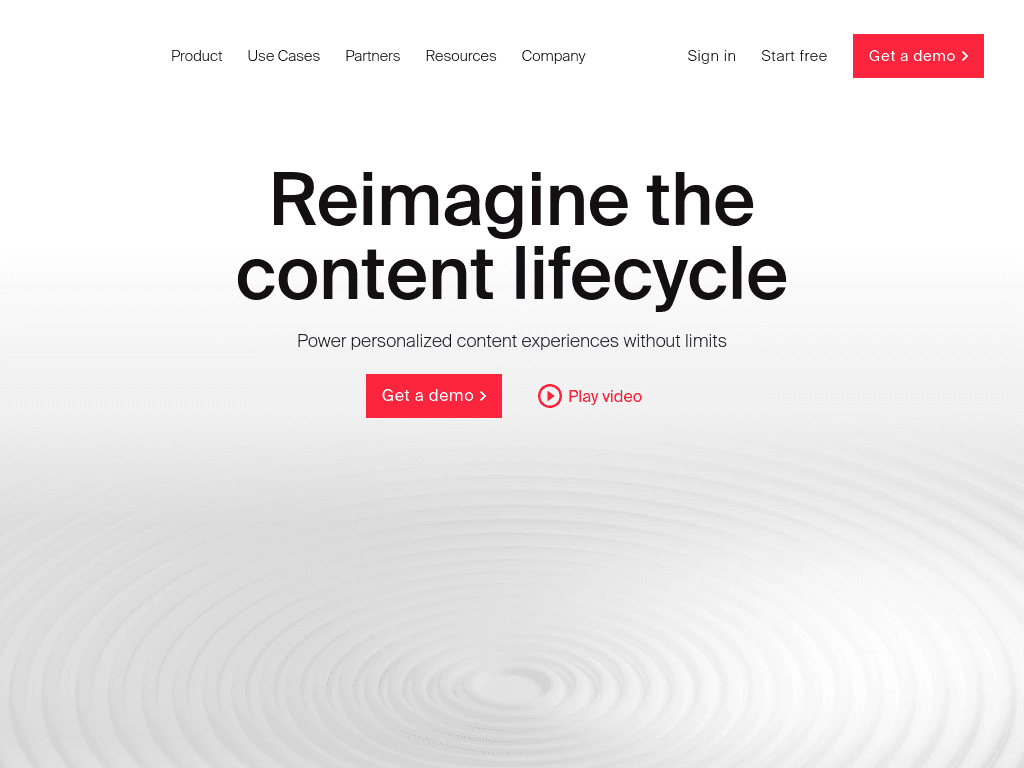
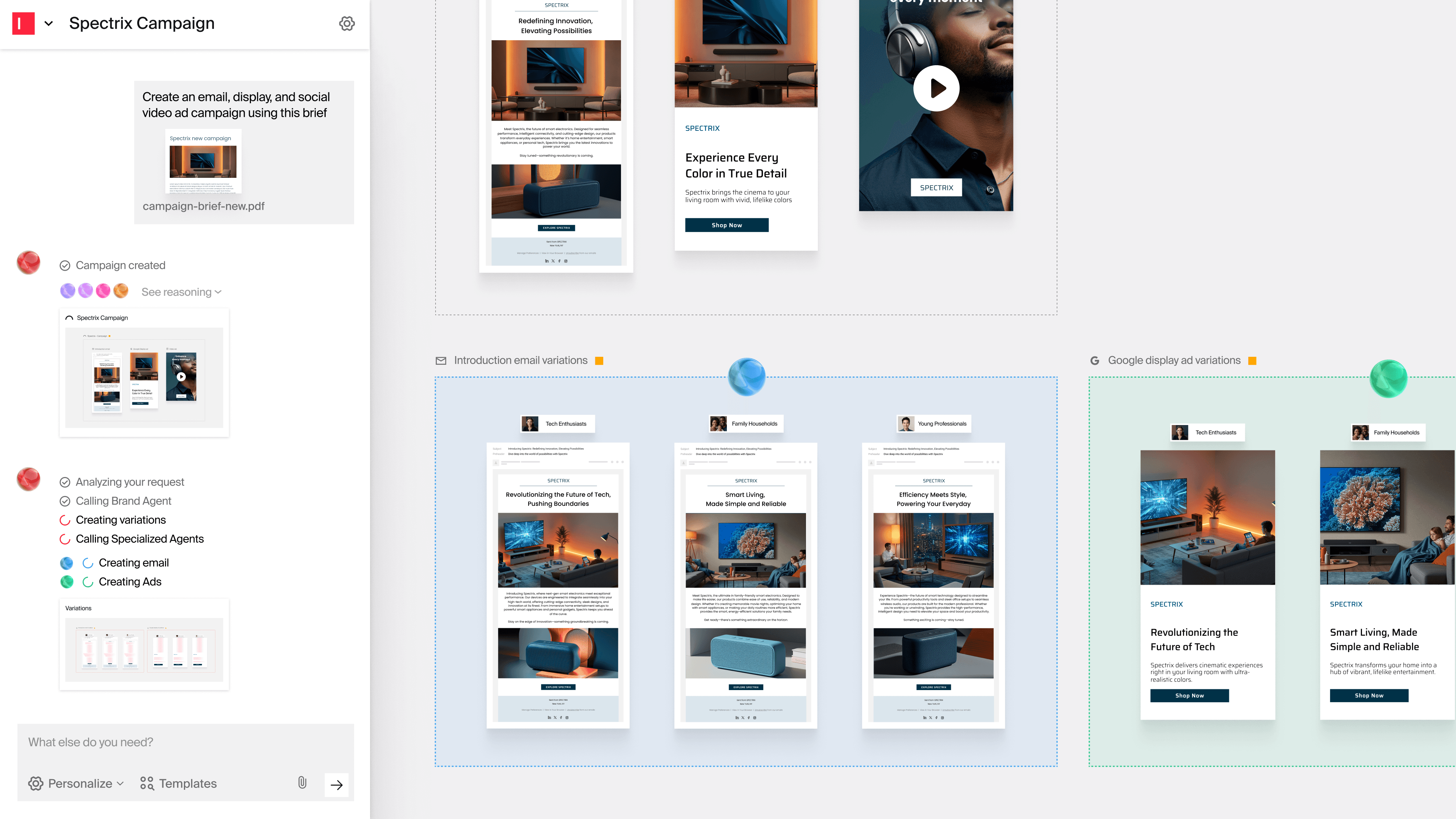
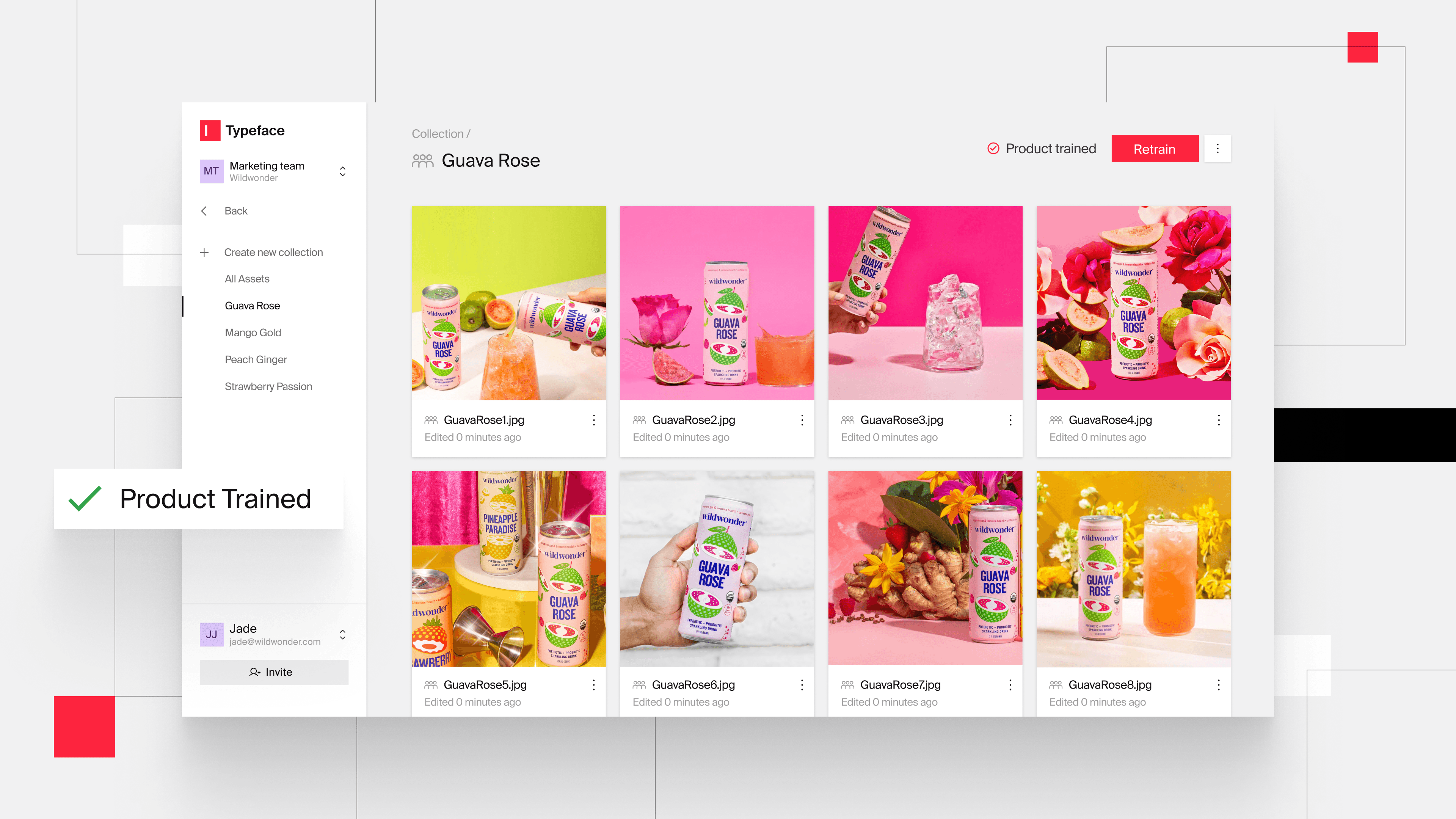
Typeface is an enterprise marketing AI platform for creating and managing context-rich campaigns. It grounds text and visual content in brand guidelines, approved layouts, and audience context. Teams can plan, review, approve, publish, and extend workflows with custom agents, APIs, and integrations.
›What are the pros and cons of Typeface?
Strengths
Grounds generated content in brand standards, approved layouts, and audience insights.
Supports both text and visual content across campaign channels.
Combines planning, creation, review, approval, and publishing in one workspace.
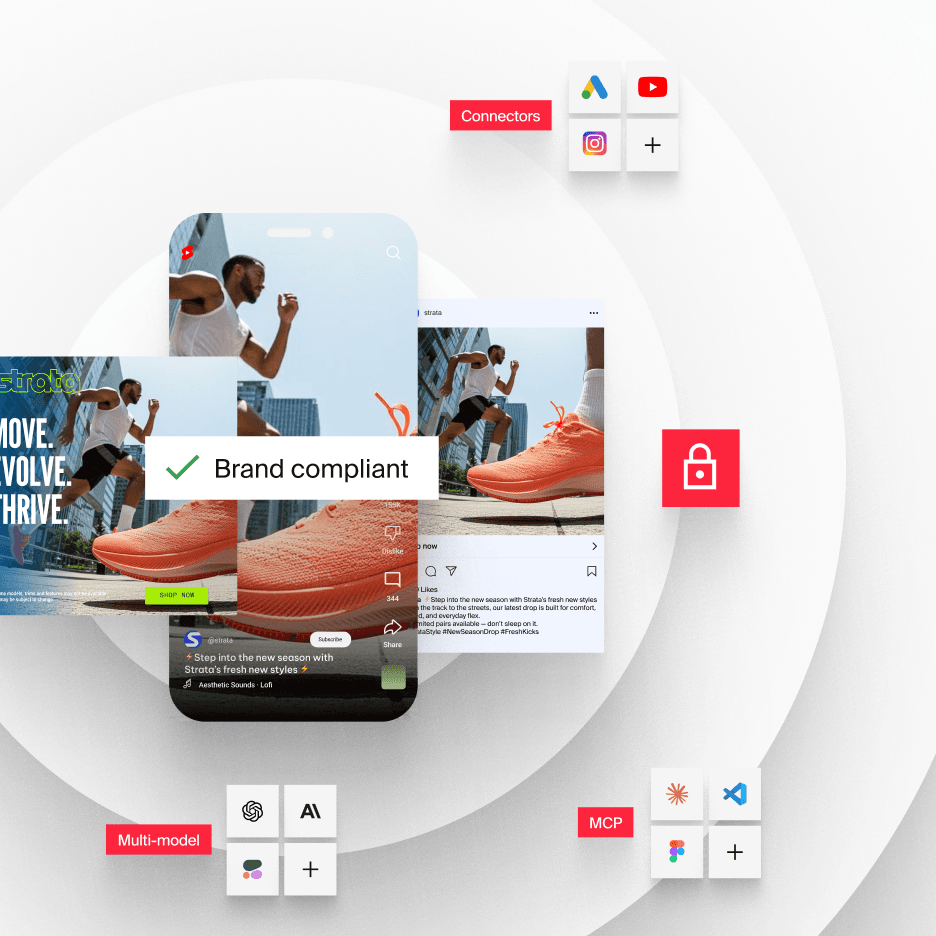
Lets IT teams extend workflows with MCP, APIs, integrations, and custom agents.
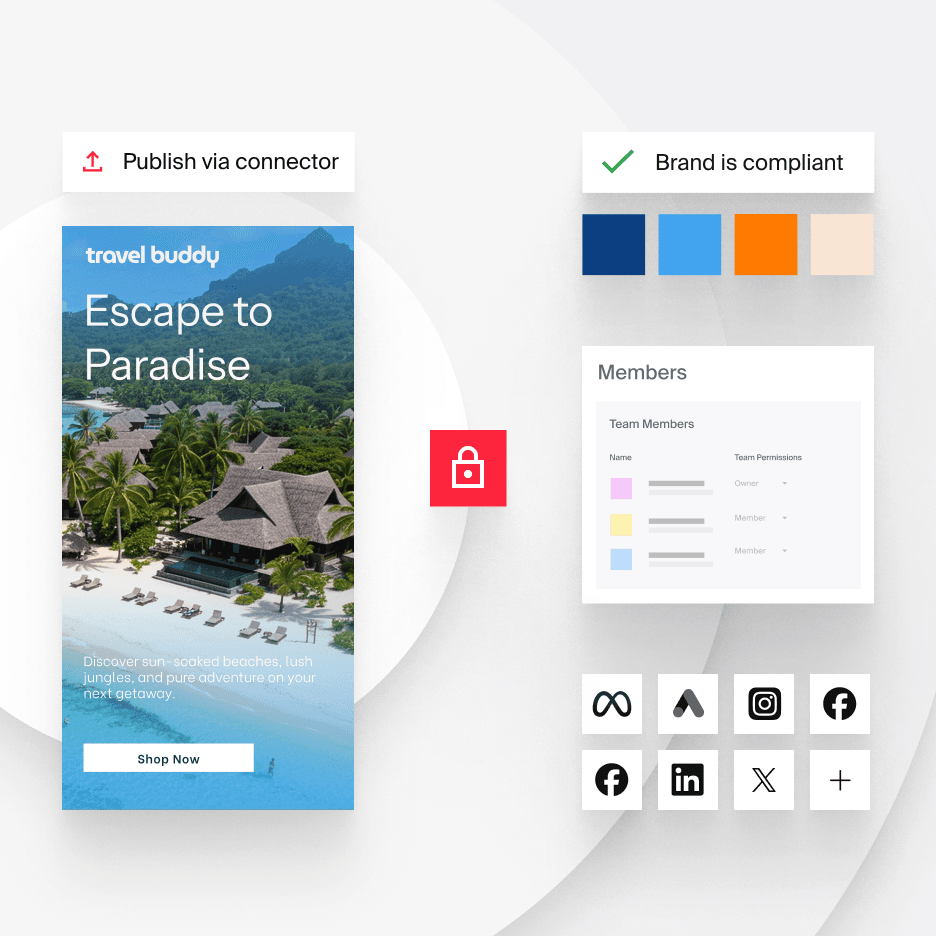
Includes enterprise controls for data protection, compliance, encryption, and access.
Trade-offs
Public pricing tiers and current rates are not provided, so purchasing requires a sales conversation.
The product is centered on enterprise marketing orchestration rather than general-purpose content creation.
Custom workflow extensions through MCP, APIs, and integrations may require technical implementation.
›What are Typeface’s key features?
Arc Graph grounds content in brand guidelines, approved layouts, and audience context.
Arc Agents handle marketing tasks across stages, formats, and channels.
Arc Spaces combines campaign planning, creation, reviews, approvals, and publishing.
Arc Forge turns workflows into custom agents and supports MCP, APIs, and integrations.
Generates text and visual campaign variations for different channels and audiences.
Provides guardrails, dedicated models, compliance controls, encryption, and access controls.
›What are the best use cases for Typeface?
Create and adapt multi-channel marketing campaigns.
Generate localized campaign variations from a global brand system.
Convert product data into retailer-ready digital shelf content.
Coordinate briefs, research, reviews, approvals, and publishing in one workflow.
Build reusable agents for marketing operations across brands and markets.
›What is the pricing for Typeface?
Contact Sales
›Who is Typeface best for?
enterpriseBuilt for organizations managing brand-governed campaigns across multiple teams, markets, and channels.
marketersMarketing teams can use agents and a shared workspace to create, personalize, review, and publish campaigns.
designersUseful for adapting visual assets across audiences and channels while working with Figma, Photoshop, and Illustrator.
IT teamsIT teams can connect the platform to existing systems and define workflow guardrails through APIs, MCP, and integrations.
Not for
- Individuals seeking a simple, low-cost content generator without enterprise workflows or sales-led purchasing.
- Teams looking primarily for a standalone font manager or general-purpose image editor.
›What are the best Typeface alternatives?
 Copy.aiChoose this instead if your priority is text-first marketing copy, blog posts, and emails.→
 ArgilChoose this instead if you mainly need to generate, edit, and enhance visual designs.→
 ScalenutChoose this instead if content research, writing, and optimization are more important than campaign orchestration.→
 Ailice→