Forward Future Tools Library

AI CMS
AI CMS turns live URLs, prompts, and brand assets into editable, reviewable, static websites for developers and content operators managing agent-built pages.
Try AI CMS →
aicms.one

›What is AI CMS?
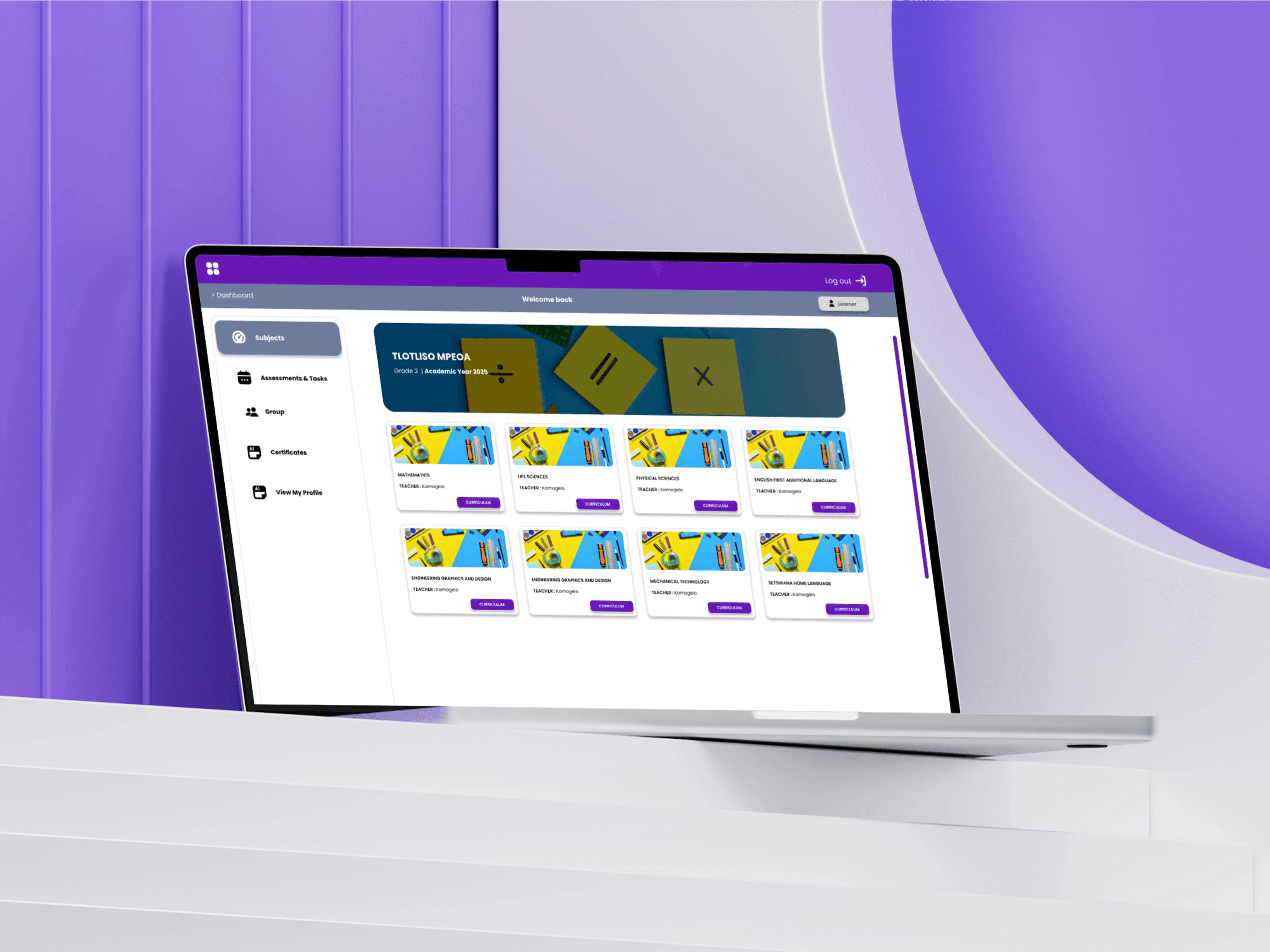
AI CMS captures existing pages or creates new ones from prompts and brand assets. It stores editable text, image, link, and section targets, then supports visual review, approvals, and deployment. Public sites are served separately as static frontends with custom-domain support.
›What are the pros and cons of AI CMS?
Strengths
Imports live pages into editable CMS structures
Keeps text, image, link, and section edits tied to stable visual targets
Combines agent generation, review, approval, and deployment in one workflow
Supports both cloud and self-hosted operation
Uses static public output and separates the CMS from the customer-facing site
Trade-offs
Generated changes require human review and approval workflows before production publishing
Static public output may be less suitable than a dynamic, plugin-based CMS for sites needing that model
The product has a newer ecosystem than mature platforms such as WordPress
›What are AI CMS’s key features?
Capture existing pages from live URLs and convert them into editable CMS content
Generate new pages, rewrites, layout changes, SEO refreshes, and component repairs from natural-language instructions
Attach stable visual targets to text, images, links, and sections for human or agent edits
Manage pages, blogs, redirects, media, people, menus, forms, security, and deploy history
Review changes with previews, approval queues, activity history, and sanitization
Publish static sites with custom domains while separating the editor, app, and API from the public site
›What are the best use cases for AI CMS?
Turn an existing marketing site into maintainable CMS content instead of a flat screenshot or disposable prototype
Create new site pages from prompts and keep the generated output reviewable before publication
Run SEO refreshes, copy changes, layout passes, and component repairs through an agent-assisted workflow
Operate multiple sites with shared management for pages, media, menus, redirects, forms, and deployment history
Publish fast static marketing sites while keeping CMS and API operations separate from the customer-facing site
›Who is AI CMS best for?
developersA strong fit for developers turning AI-generated or imported pages into editable, deployable CMS objects.
small teamSmall teams can use its previews, approvals, activity history, and deploy records to control agent-made site changes.
SEO and content operatorsUseful for operators handling page rewrites, SEO refreshes, media, redirects, and reviewable publishing.
Not for
- Teams that specifically need the mature plugin ecosystem and established operating model of WordPress
- Buyers looking only for a simple page builder rather than an agent-assisted CMS with review and deployment controls
›What are the best AI CMS alternatives?
 PlaycodeChoose this instead if your priority is describing and building an AI website or app for a small business, freelance project, or entrepreneurial venture.→
 Vibe Coding WorkbenchChoose this instead if you need structured AI coding plans and implementation context rather than a CMS centered on page capture, editing, and publishing.→
 Fable5→
 AnyCrawler→