

Forward Future Tools Library

Elicit
Elicit searches, summarizes, and extracts evidence from millions of scientific papers, helping researchers produce cited reports and systematic reviews.
elicit.com·Free + paid plans·Checked 2026-08-24

›What is Elicit?
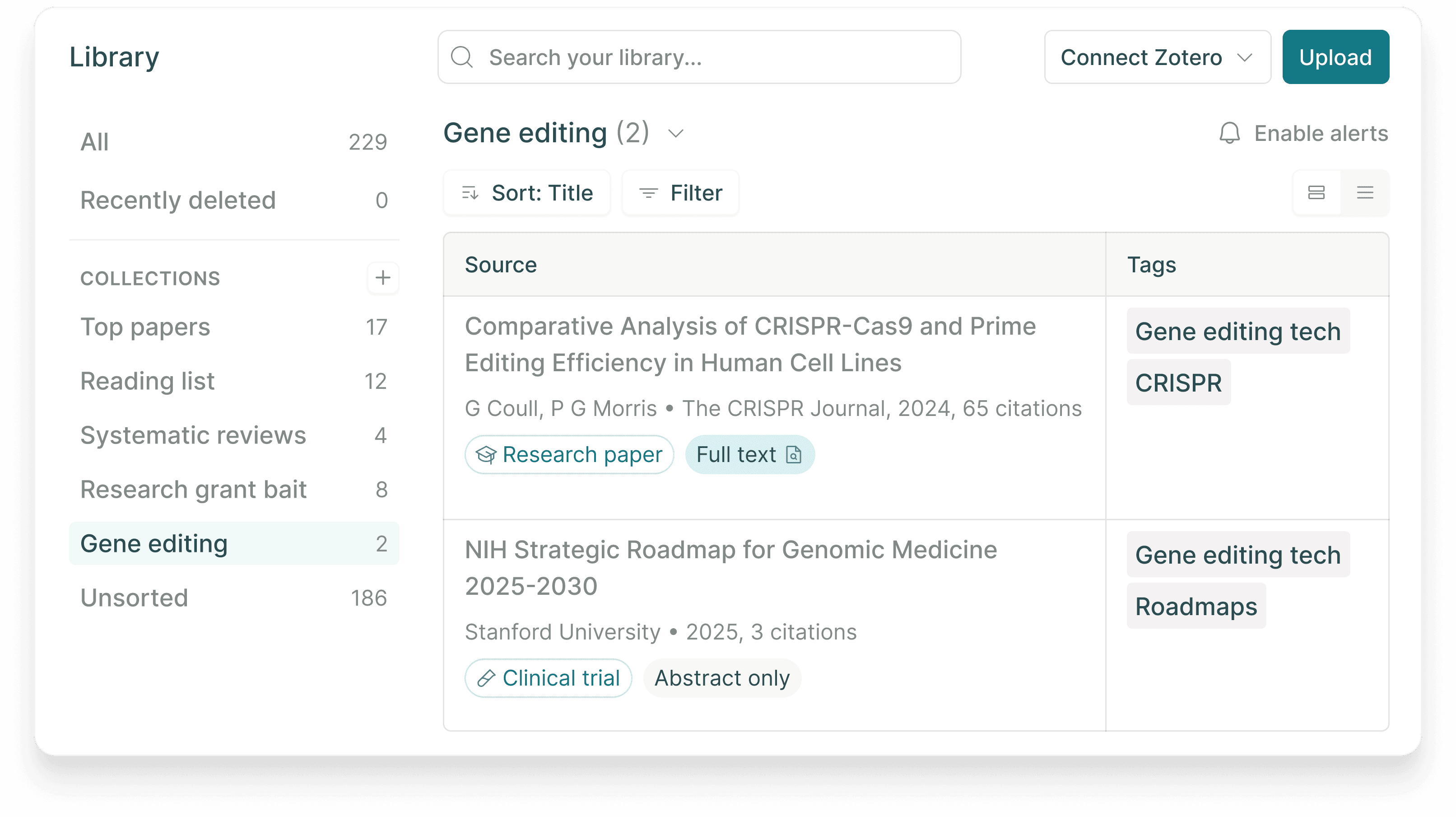
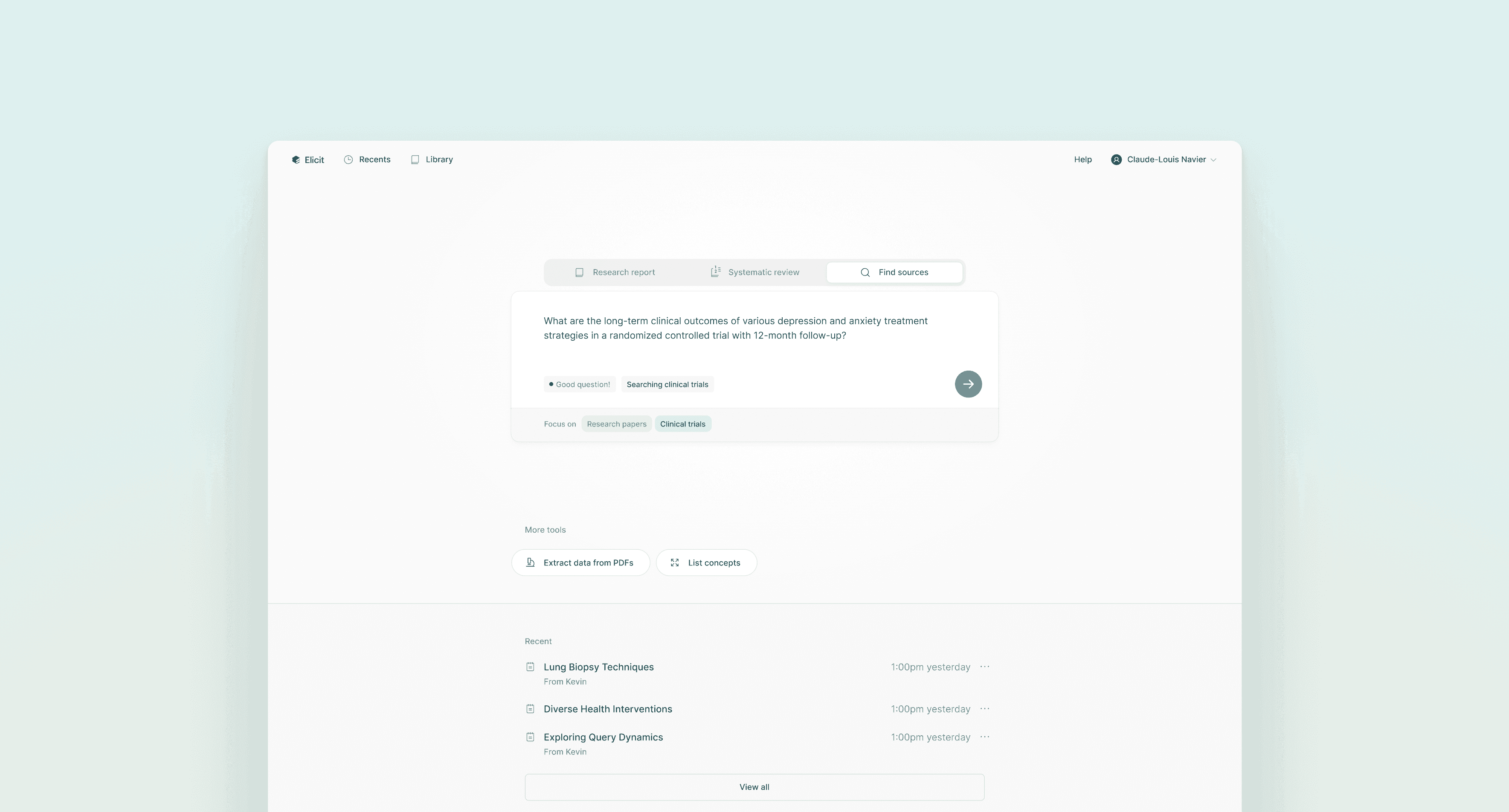
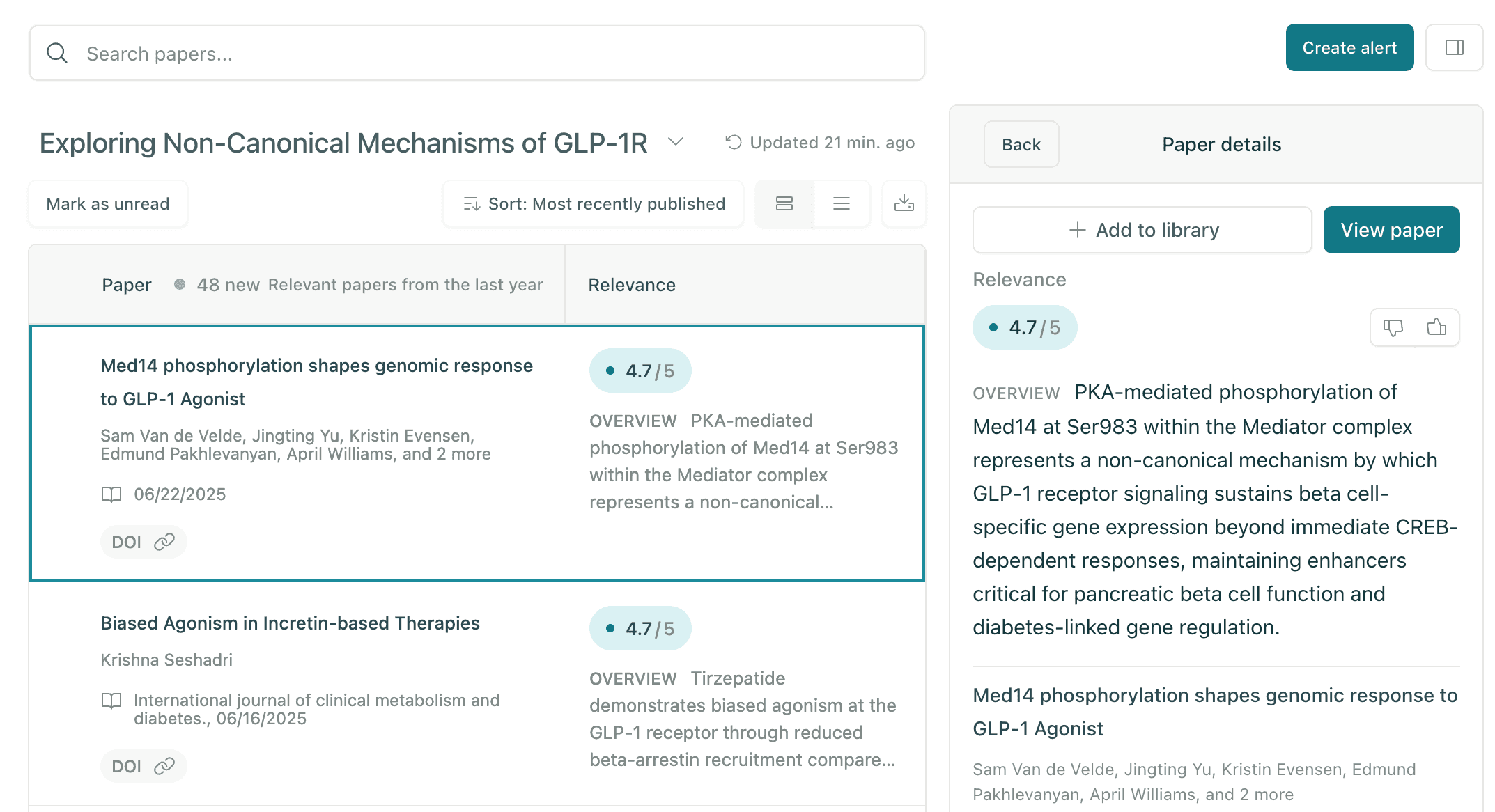
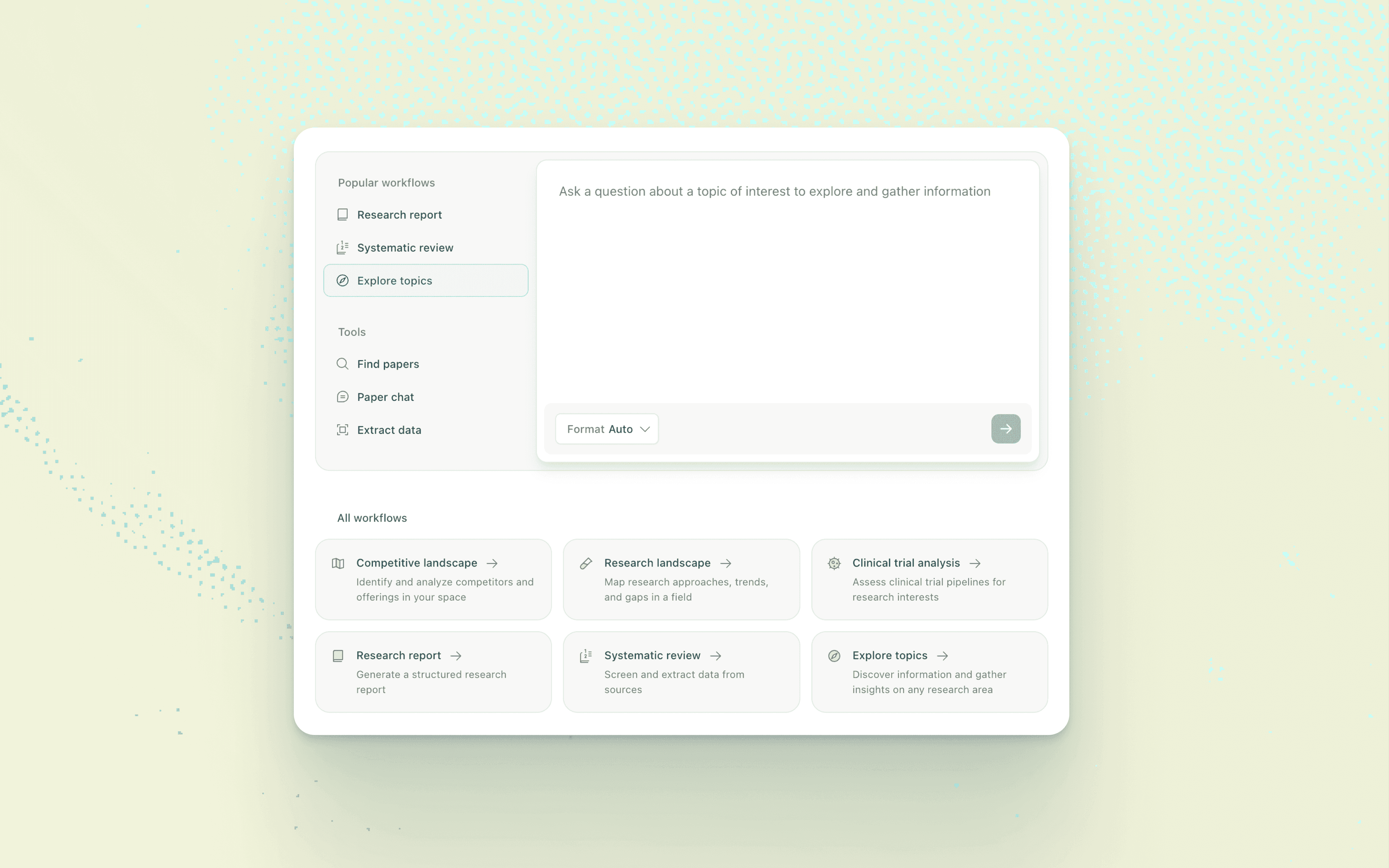
Elicit is an AI research tool for searching scientific literature, summarizing papers, extracting study data, and generating research reports. It supports systematic review workflows with screening, extraction, interactive tables, source libraries, alerts, and sentence-level citations for AI-generated claims.
›What are the pros and cons of Elicit?
Strengths
Trade-offs
›What are Elicit’s key features?
›What are the best use cases for Elicit?
›What is the pricing for Elicit?
| Plan | Price | Details |
|---|---|---|
| Basic | Free | Limited Research Agent and Research Reports usage, with unlimited paper search, summaries, and chat where full text is available. |
| Plus | $11 | Adds RIS, CSV, BIB, PDF, and DOCX export, five table columns at a time, clinical-trial search, and standard usage for core research workflows. |
| Pro | $39 | Adds a systematic-review workflow for screening 5,000 papers, 20 table columns, custom extractions, alerts, templates, and API access. |
| Scale | $89 | Adds higher usage, figure interpretation, live team editing, real-time collaboration, 30 table columns, and seat management. |
| Enterprise | Custom | Adds company and school administration, larger screening limits, security controls, custom data sources and templates, unlimited Search API access, and customer success support. |
The listed $11, $39, and $89 rates are per user/month with annual billing amounts of $132, $468, and $1,068 respectively. The page also shows a second rate set with Pro at $49 and Scale at $169, each billed annually at $588 and $2,028.
Checked 2026-08-24 · source
›Who is Elicit best for?
- Researchers doing open-ended exploration of an unfamiliar field may prefer a citation-graph tool or a broad evidence search engine.
- Teams that need a fully automated systematic-review process should note that Elicit only partially supports search and report generation.
- Users who need complete bibliographic metadata in exported citations may encounter omissions.
›What are the best Elicit alternatives?
 ResearchRabbitChoose this instead if you are exploring an unfamiliar field and want citation-graph discovery rather than question-driven evidence extraction.→
 ConsensusChoose this instead if you want broad evidence-based answers from scientific literature rather than a structured systematic-review workflow.→
 arXiv:2412.06617→
 NotebookLM→