

Forward Future Tools Library

Kiro
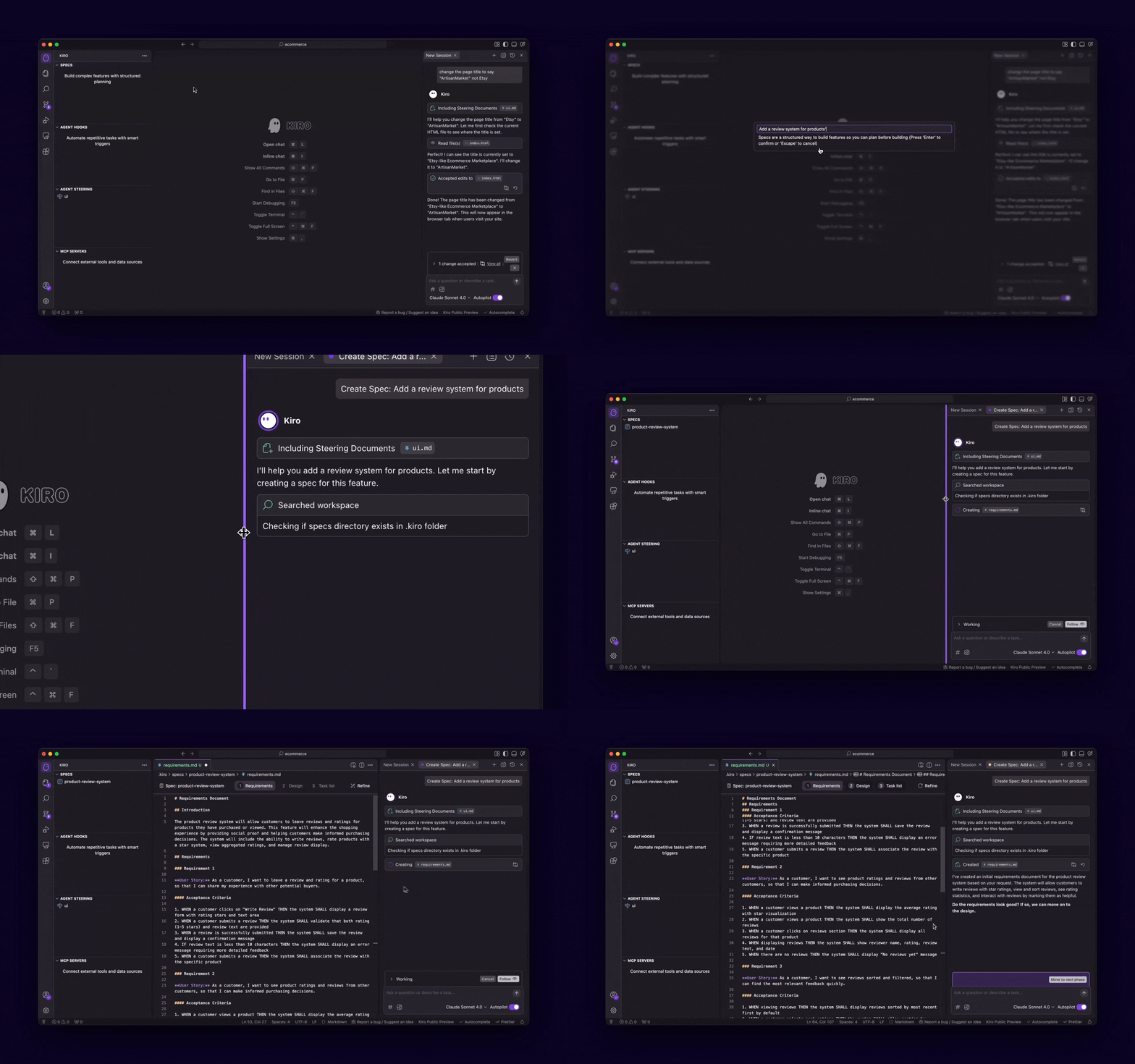
Kiro turns prompts into software requirements, designs, tasks, code, and tests, giving developers and engineering teams a structured way to build and review projects.
kiro.dev·Free + paid plans·Checked 2026-08-15
›What is Kiro?
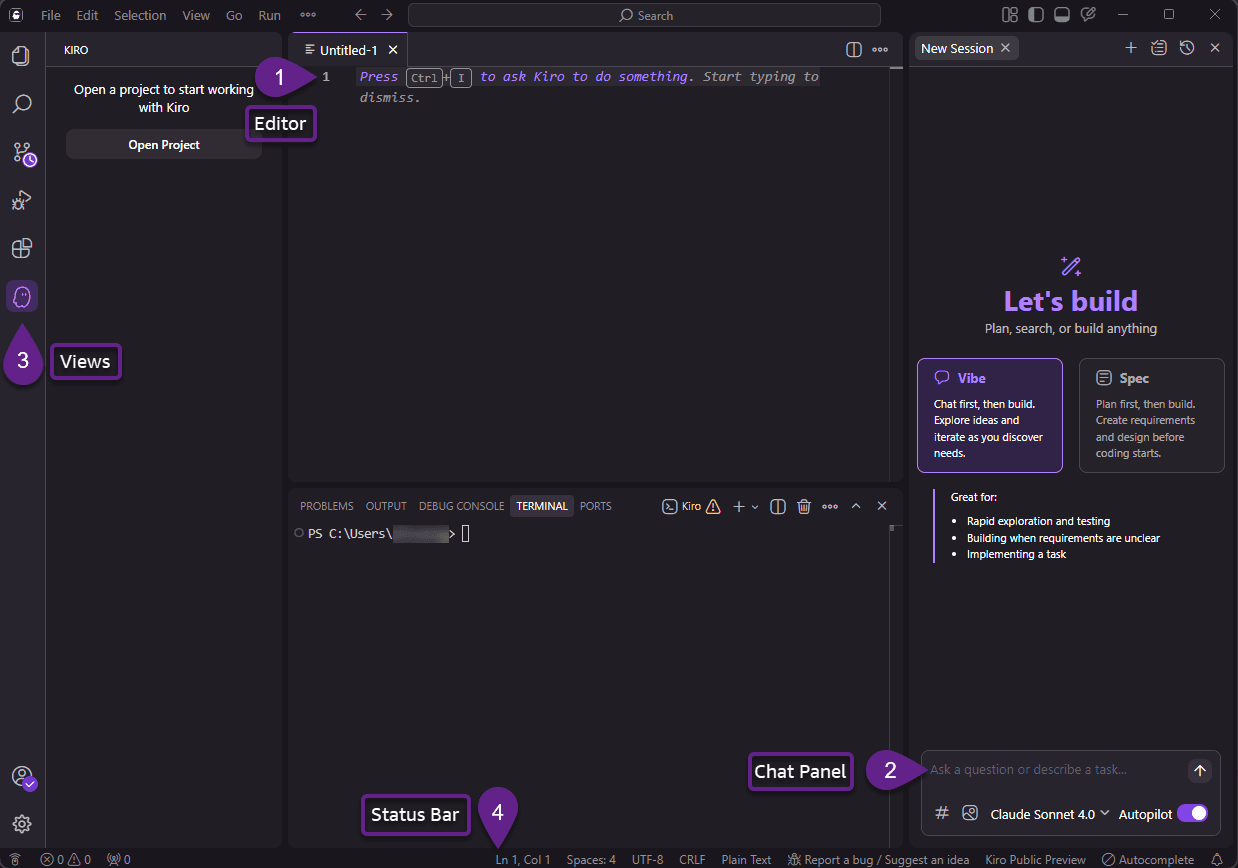
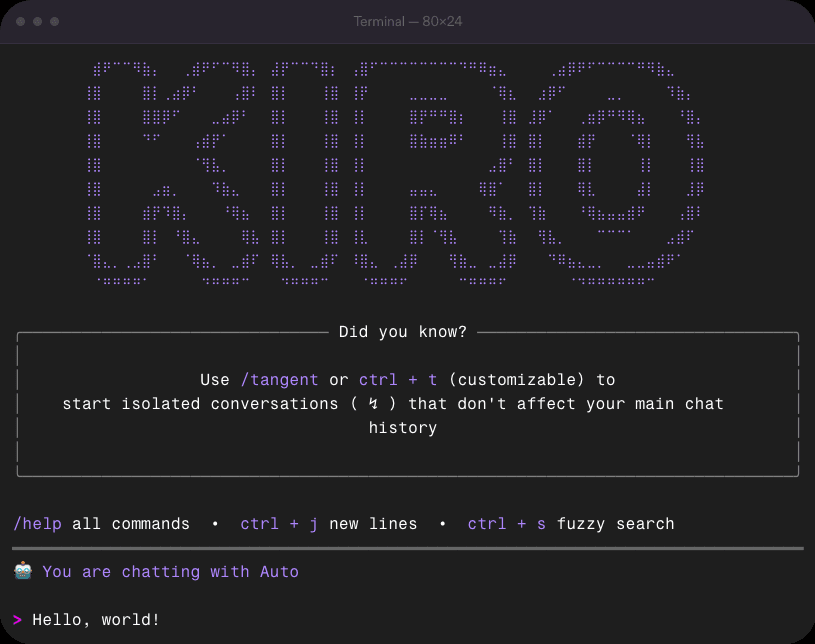
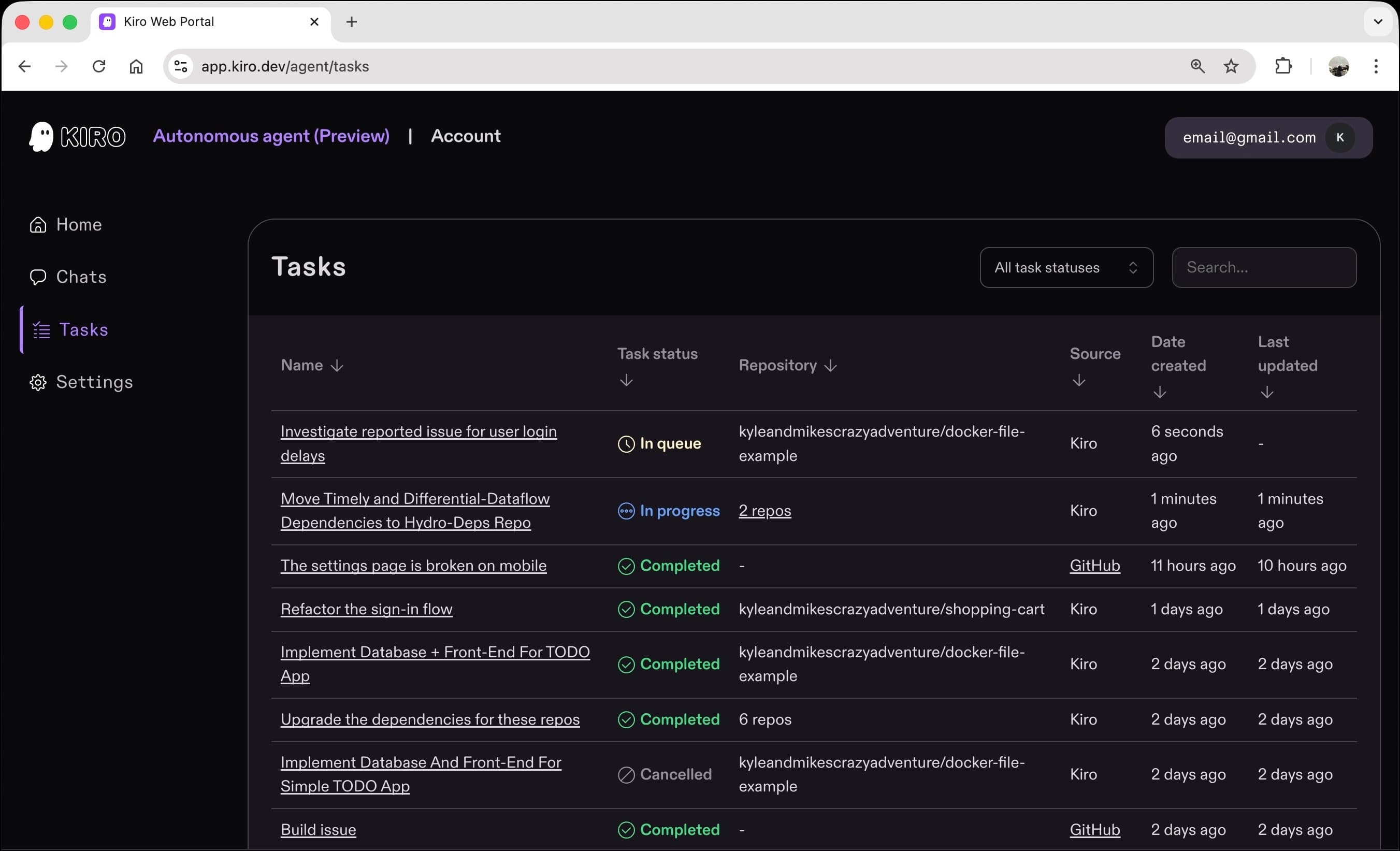
Kiro is an AWS-built AI development environment with an IDE, CLI, and cloud workflows. It converts prompts into requirements, architectural designs, and sequenced implementation tasks, then uses agents to write and review code. Property-based tests and automated reasoning check for bugs, contradictions, and gaps that ordinary unit tests can miss.
›What are the pros and cons of Kiro?
Strengths
Trade-offs
›What are Kiro’s key features?
›What are the best use cases for Kiro?
›What is the pricing for Kiro?
| Plan | Price | Details |
|---|---|---|
| Kiro Free | $0 per month | 50 credits with access to open-weight models and Claude Sonnet 4.5. |
| Kiro Pro | $20 per user / month | 1,000 credits, access to premium models, and add-on credits at $0.04 per credit. |
| Kiro Pro+ | $40 per user / month | 2,000 credits, access to premium models, and add-on credits at $0.04 per credit. |
| Kiro Pro Max | $100 per user / month | 5,000 credits, access to premium models, and add-on credits at $0.04 per credit. |
| Kiro Power | $200 per user / month | 10,000 credits, access to premium models, and add-on credits at $0.04 per credit. |
Prices exclude applicable taxes and duties. Individual paid plans support add-on credits, and team plans include flexible overages at $0.04 per additional credit. Enterprise plans offer centralized billing, SSO, usage analytics, and security controls through sales.
Checked 2026-08-15 · source
›Who is Kiro best for?
- Skip it if you need usage without credit accounting or paid overages.
- Consider another IDE if you prioritize a more mature editor experience over structured specifications and agent workflows.
›What are the best Kiro alternatives?
 CursorChoose this instead if you want an AI code editor focused on predicting edits and natural-language code changes.→
 GitHub CopilotChoose this instead if you want contextual AI assistance throughout the software development experience.→
 DevinChoose this instead if you want a collaborative AI teammate designed to work with engineering teams.→
 CodeAnt AI→