
Forward Future Tools Library

Viam logo

Viam

Viam lets software engineers build, deploy, and manage robots with hardware-abstracted APIs, cloud fleet management, ML deployment, and remote updates.

Try Viam

viam.com·From Free to start, usage-based after first $5/month·Checked 2026-09-05
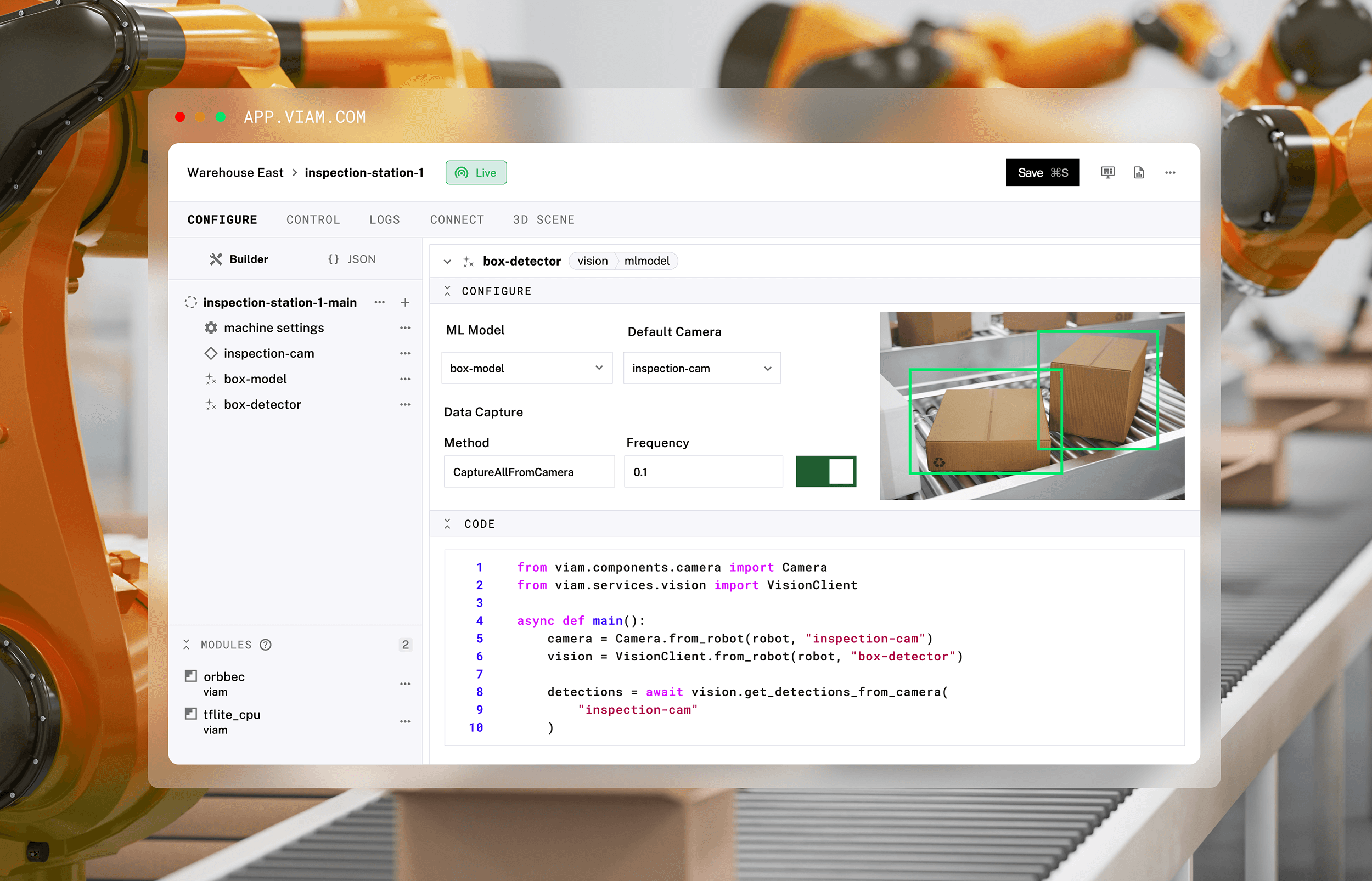
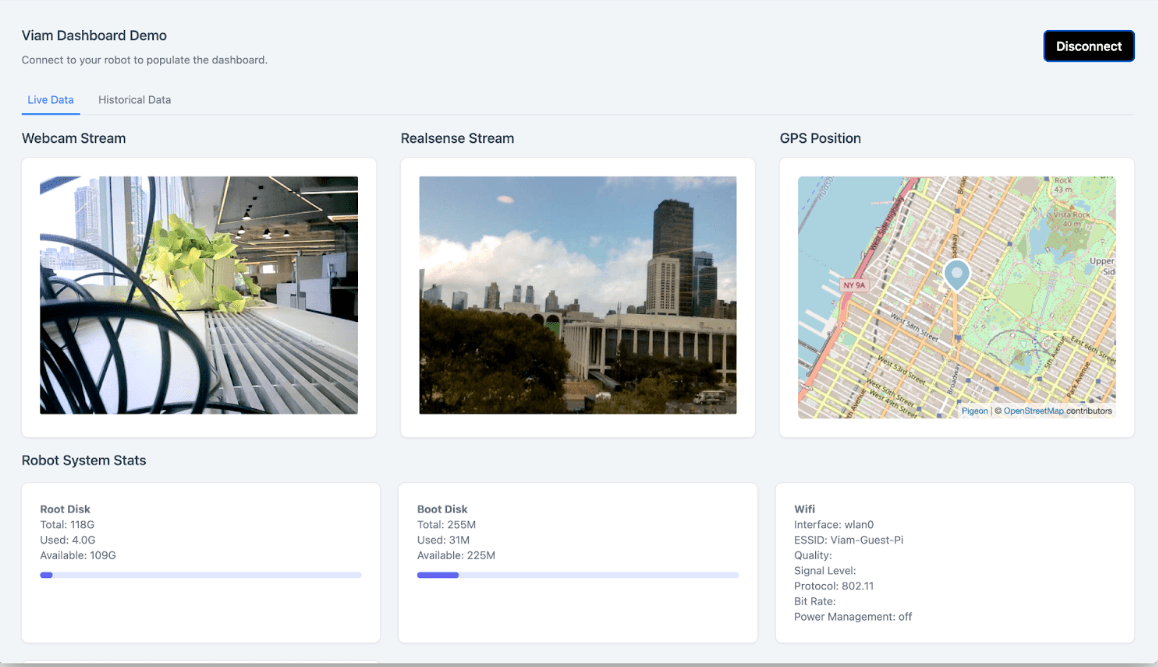
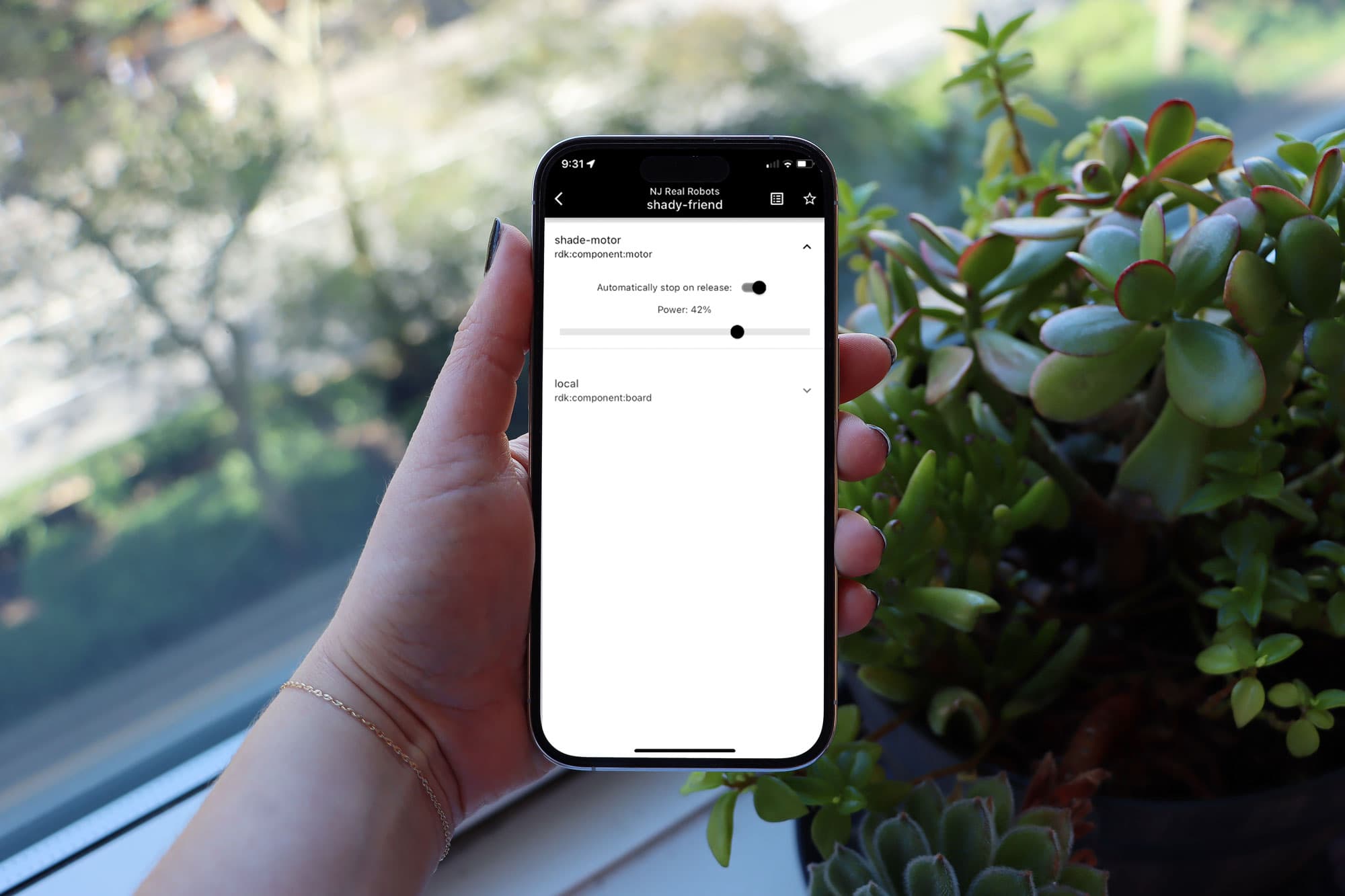
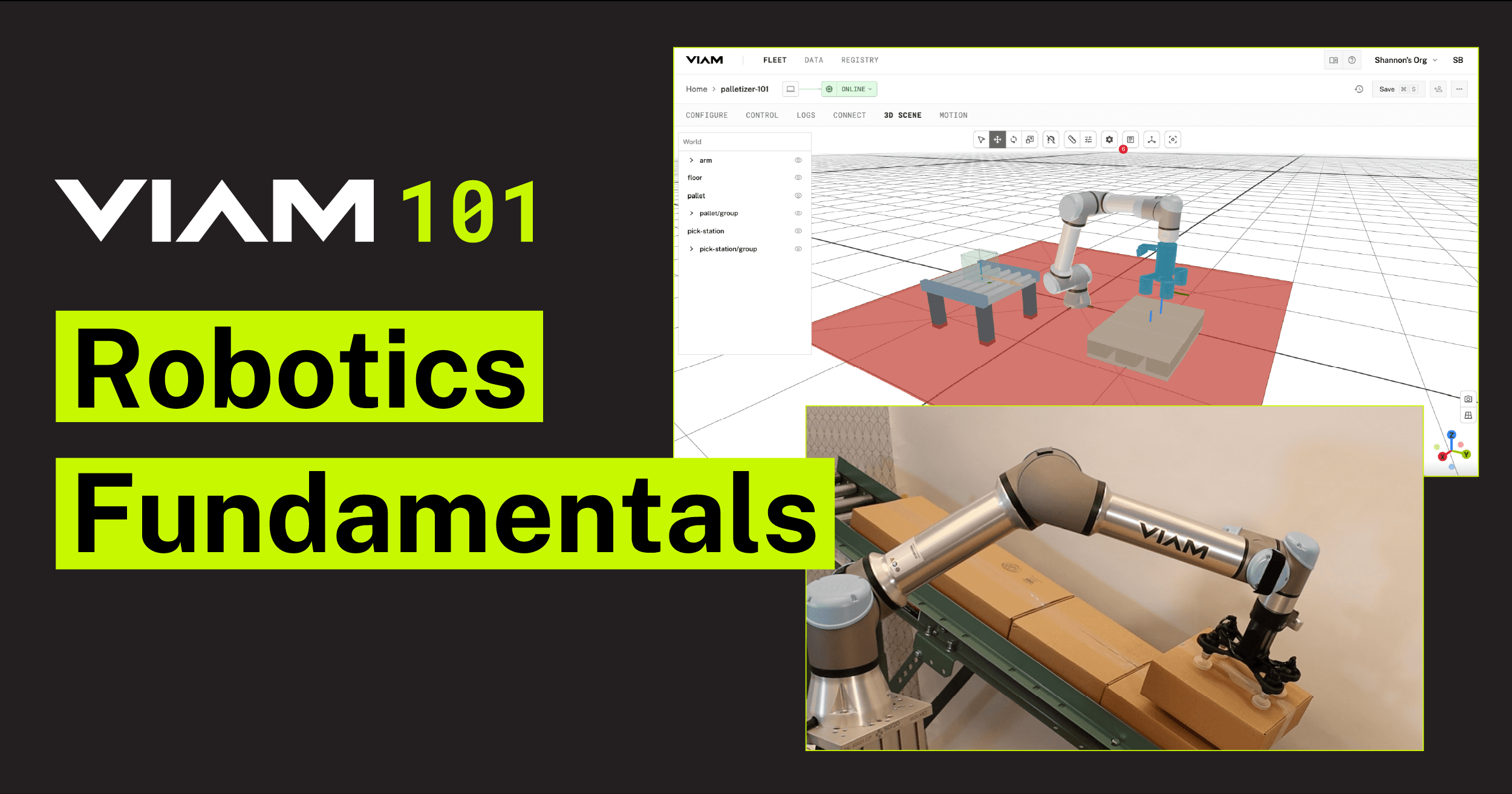
Viam screenshotViam Platform OverviewBuild a robotics web app with TypeScript & Viam on ROSManage your fleet from anywhere with Viam's mobile appViam 101
Viamviam.com
Viam screenshot
Viamviam.com

What is Viam?

Viam is a software platform for building, deploying, and managing robotics applications. It provides SDKs in Python, Go, TypeScript, C++, and other languages, plus APIs for hardware and services. Teams can manage sensor data, deploy ML models, monitor fleets, and update robot software remotely.

What are the pros and cons of Viam?

Strengths

Abstracts hardware behind APIs, allowing teams to use one application codebase across robot prototypes and larger fleets
Supports multiple programming languages, including Python, Go, TypeScript, and C++
Combines fleet monitoring, remote access, access control, and OTA updates in one platform
Includes a registry for accessing drivers and ML models
Offers built-in motion and vision capabilities

Trade-offs

Usage-based billing can make costs harder to plan for data-heavy applications
Users need to learn Viam-specific configuration concepts such as fragments and frames
Motion planning and vision workflows still depend on correct setup and calibration
Some advanced rollout and rollback behaviors are manual rather than fully automated
Industrial system integration appears less native than the core robotics and ML workflows

What are Viam’s key features?

SDKs for Python, Go, TypeScript, C++, and other languages
Hardware abstraction through APIs for hardware and services
Cloud fleet monitoring, alerting, remote access, and control
OTA updates for software and ML models
Canary testing and rollbacks for version management
Sensor data and telemetry collection, storage, and querying
Deployment of computer vision and ML models to edge devices

What are the best use cases for Viam?

Prototype custom robots without assembling a complete robotics software stack first
Deploy and manage dozens of production robots from a central cloud platform
Collect sensor data and telemetry for robotics applications
Deploy computer vision and ML models to edge devices
Automate manufacturing tasks such as robotic surface finishing and fiberglass sanding
Monitor robots remotely and roll out software updates across a fleet

What is the pricing for Viam?

PlanPriceDetails
Developer PlatformFree to start, usage-based after first $5/monthIncludes the software platform, APIs, data management, fleet management, ML deployment, modular components, and open source SDKs.
Robotic Surface FinishingContact us for pricing tailored to your deploymentIncludes robotic hardware, software, installation, site setup, workflow integration, and ongoing technical support.

Developer Platform standard rates include $0.25 per GB/month for tabular or JSON data management, $2.50 per GB for hot data store storage, $0.00125 per second for hot data store compute, $0.05 per GB/month for image, video, logs, and other non-tabular storage, $0.15 per GB for cloud data upload, $0.25 per GB for cloud data egress, $0.0025 per second for standard compute, and $2.50 per 1M notifications. Bulk storage above 100 GB/month can use volume pricing.

Checked 2026-09-05 · source

Who is Viam best for?

developersA strong fit for software engineers who want to build robot control logic in familiar programming languages.
manufacturingManufacturing teams can use it for custom automation, surface finishing, fleet monitoring, and ML deployment.
enterpriseLarger robotics deployments benefit from cloud fleet management, access control, staged releases, and OTA updates.
small teamSmall engineering teams can start without a credit card and use the same application code as deployments grow.
Not for
  • Teams with very simple robotics use cases may find the platform heavier than necessary.
  • Buyers seeking predictable flat-rate billing should account for usage-based charges after the first $5/month of cloud services.
  • Organizations looking for deeply native industrial system integration may need additional integration work.


What are the best Viam alternatives?

Where can I try Viam?

Open viam.com