
Forward Future Tools Library

Open Evidence logo

Open Evidence

OpenEvidence provides cited answers from medical literature and clinical guidelines for verified U.S. healthcare professionals, with access through web and mobile apps.

Try Open Evidence

openevidence.com·Free·Checked 2026-08-15
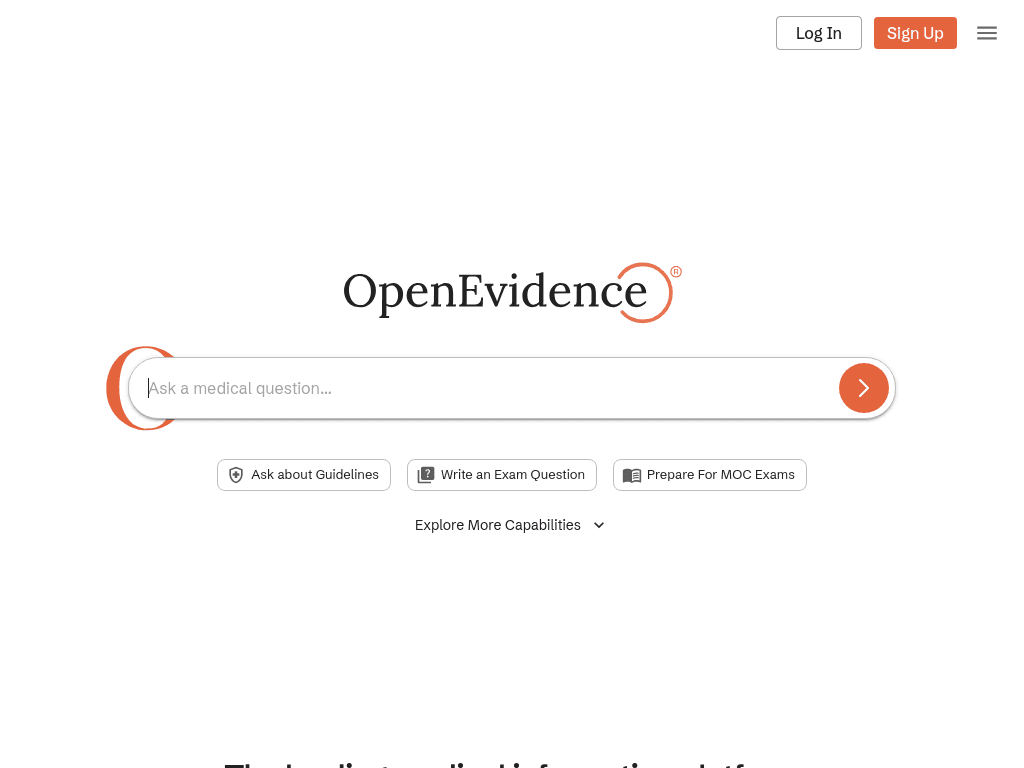
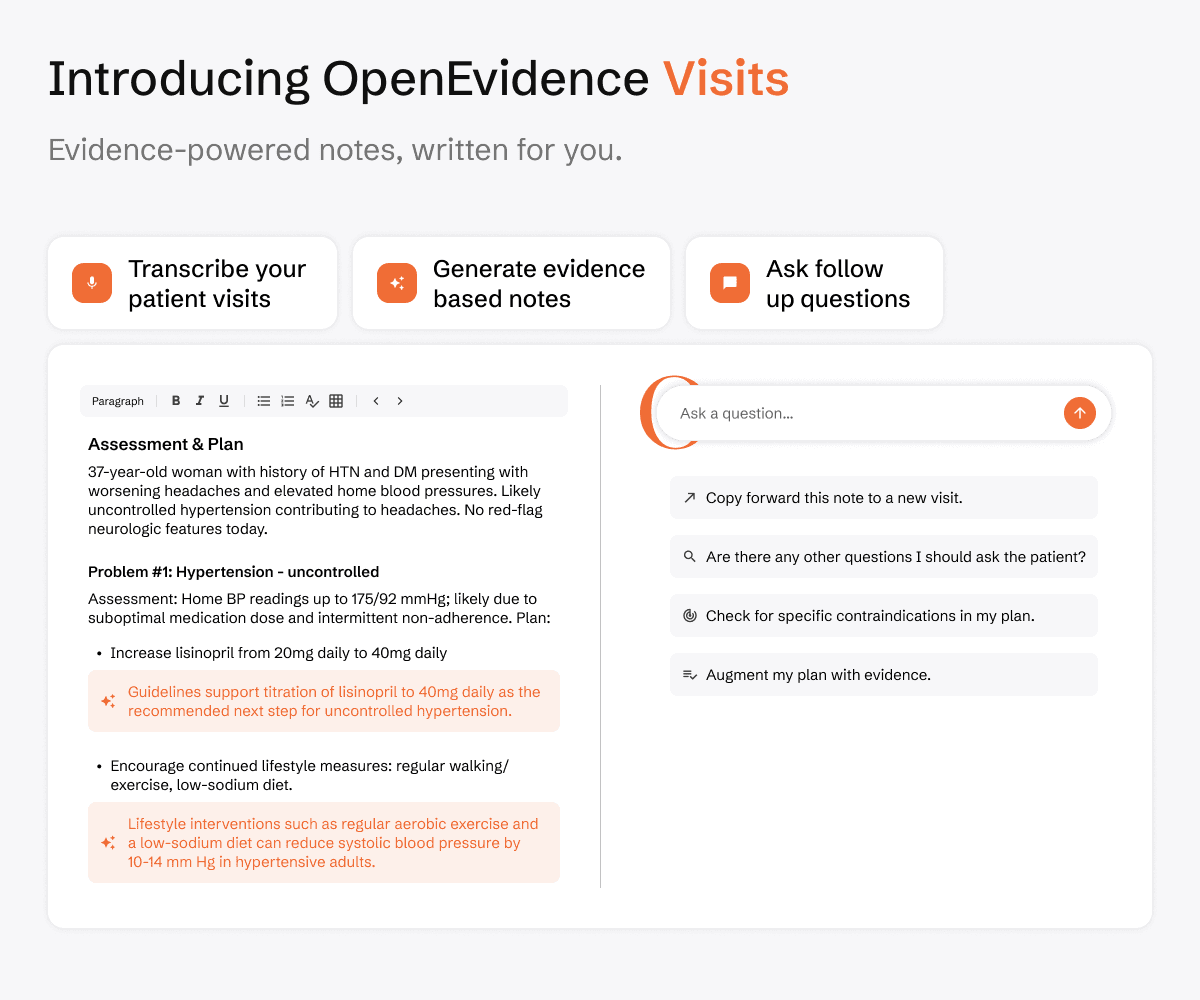
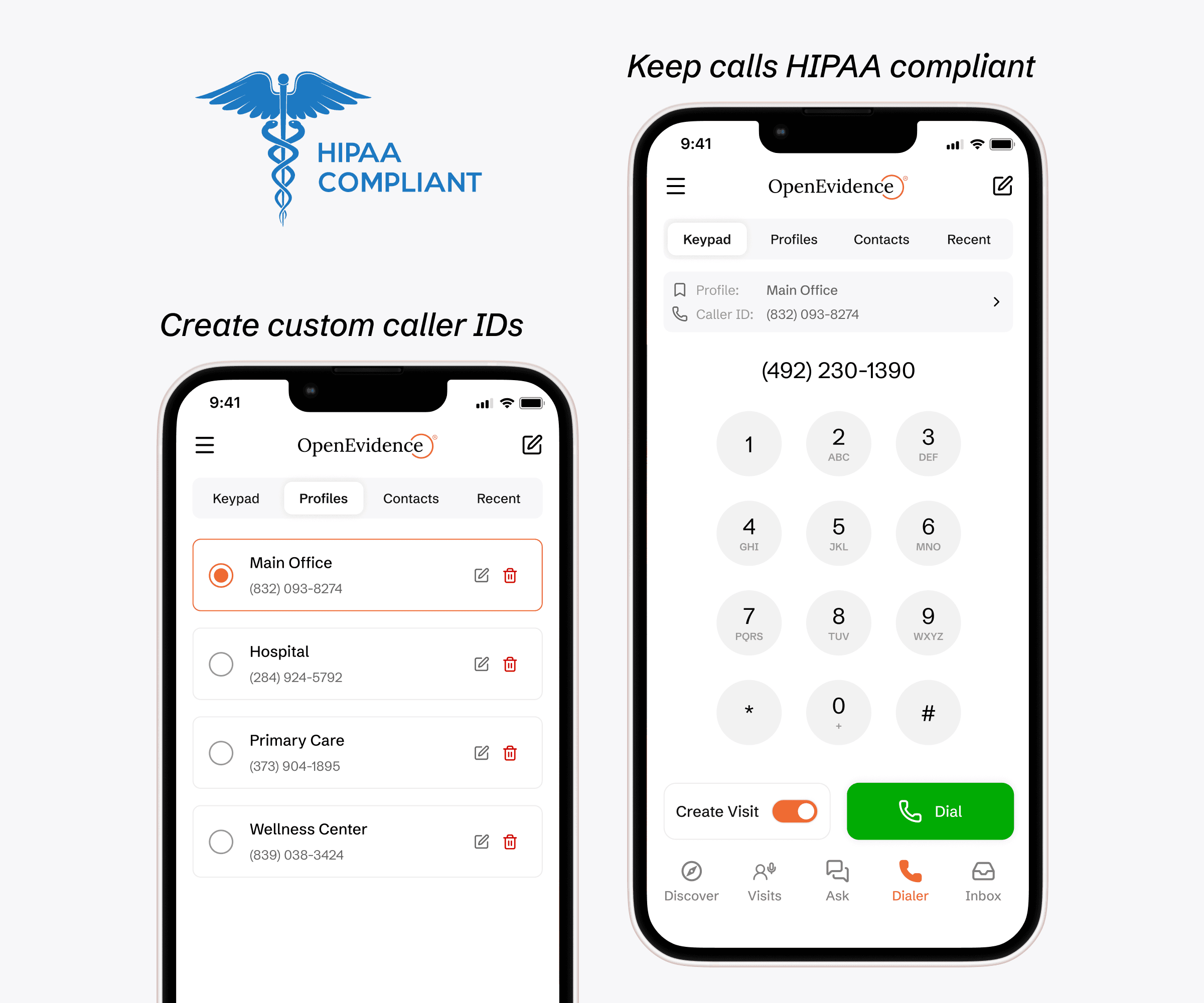
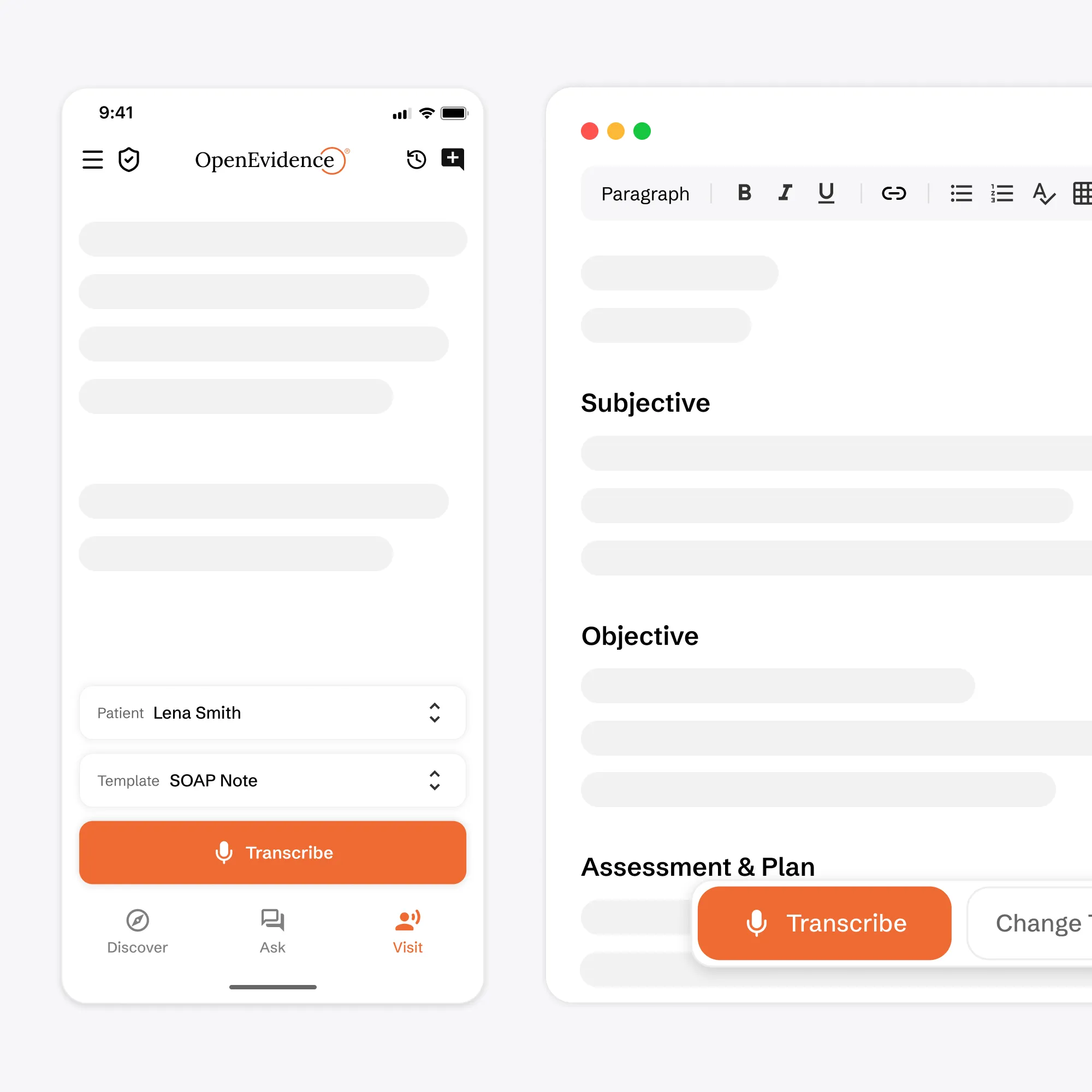
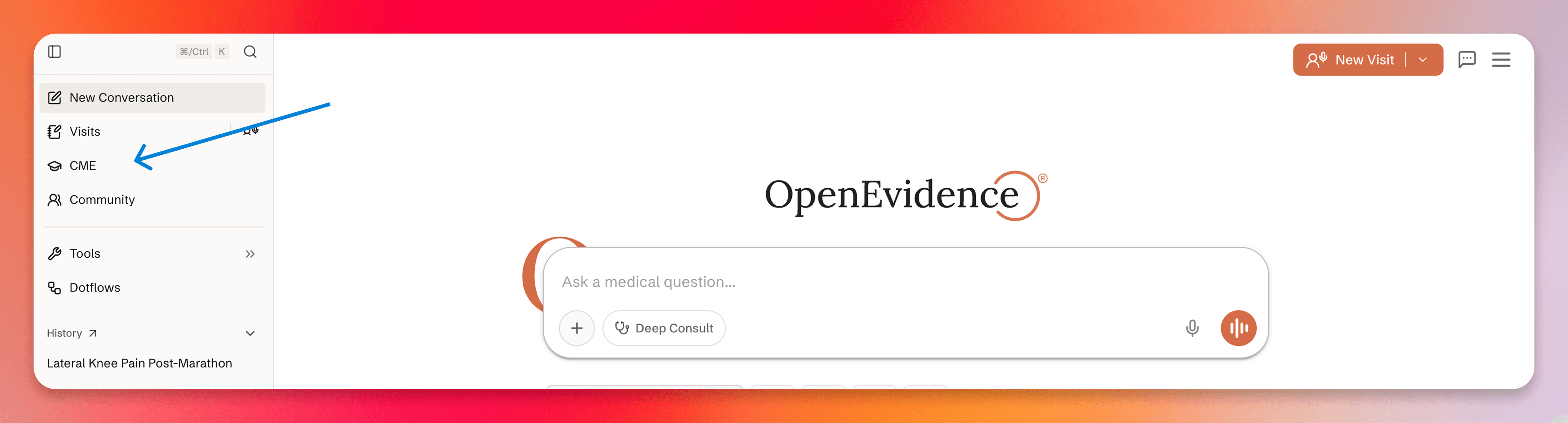
Open Evidence screenshotOpenEvidence Launches “Visits” : Real-Time Medical Intelligence for the  Patient VisitOpenEvidence HIPAA-secure Dialer now availableVisits OverviewCME
Open Evidenceopenevidence.com
Open Evidence screenshot
Open Evidenceopenevidence.com

What is Open Evidence?

OpenEvidence is an AI-powered medical knowledge platform for healthcare professionals. It provides cited answers grounded in peer-reviewed literature, including full-text findings, figures, tables, multimedia, and guidelines from sources such as NEJM, JAMA, NCCN, Nature, and Cochrane. The platform is HIPAA compliant and available through mobile apps.

What are the pros and cons of Open Evidence?

Strengths

Free and unlimited for verified U.S. healthcare professionals
Answers are grounded in and cite peer-reviewed medical literature
Content partnerships include NEJM, JAMA, NCCN, Nature, Cochrane, and major medical societies
Available on iOS and Android
HIPAA compliant

Trade-offs

Access is limited to verified U.S. healthcare professionals and typically uses NPI-based verification
The free offering is ad-supported
It does not currently provide differential diagnosis generation or drug dosing tools
It is not an AI medical scribe and does not transcribe encounters or draft routine notes
Enterprise deployment pricing is based on per-seat arrangements rather than the free clinician offering

What are Open Evidence’s key features?

Cited answers based on peer-reviewed medical literature
Access to full-text clinical findings, figures, tables, and multimedia from NEJM, JAMA, Nature, and Cochrane
NCCN Guidelines Treatment Algorithms and content from medical society partners
Mobile apps for iOS and Android
HIPAA-compliant platform
Clinical documentation, prior authorization letters, ICD-10 suggestions, order set recommendations, and discharge summary drafting

What are the best use cases for Open Evidence?

Answering day-to-day clinical questions with cited medical evidence
Reviewing treatment guidance from NCCN and other medical societies
Supporting primary care, internal medicine, and emergency medicine decisions
Researching clinical topics across peer-reviewed studies
Drafting prior authorization letters and discharge summaries

What is the pricing for Open Evidence?

PlanPriceDetails
Verified U.S. HCPs$0Free access to the medical knowledge platform for verified U.S. healthcare professionals.

The clinician offering is described as free and unlimited, while third-party coverage describes it as ad-supported. Enterprise deployments may use per-seat pricing.

Checked 2026-08-15 · source

Who is Open Evidence best for?

physiciansA strong fit for physicians who need quick, cited answers to clinical questions from established medical sources.
medical researchersUseful for locating clinical findings, guidelines, and supporting evidence across major journals and societies.
medical educatorsThe full-text findings, figures, tables, and multimedia can support evidence-based teaching and topic review.
Not for
  • Healthcare professionals in the European Union or United Kingdom should skip it because the service is not available in those regions.
  • Clinicians seeking differential diagnosis generation or drug dosing tools should use a tool that explicitly provides those capabilities.
  • Clinicians looking for encounter transcription or routine note drafting should choose a medical scribe instead.


What are the best Open Evidence alternatives?

Where can I try Open Evidence?

Open openevidence.com